.avif)

O Que é um Agente de Voz de IA? Um Guia Prático de Como a IA de Voz Funciona
Este guia explica o que é um agente de voz de IA, como ele funciona, os benefícios que ele oferece e onde ele se encaixa melhor com equipes humanas.

✅ Free meeting recording & transcription
💬 Automated sharing of insights to other tools.
Todos nós já conversamos com máquinas antes. Pedimos aos assistentes de voz que definam lembretes, toquem música ou nos informem a previsão do tempo. No atendimento ao cliente, pressionamos números nos menus do telefone e repetimos o mesmo problema para vários agentes.
Os agentes de voz de IA estão em algum lugar entre essas duas experiências e, quando bem feitos, mudam a forma como as empresas lidam com conversas reais.
Este artigo explica o que é um agente de voz de IA, como funciona na prática e por que mais equipes estão começando a utilizar agentes de voz de IA em todos os canais de atendimento ao cliente, chamadas de vendas e fluxos de trabalho internos, sem perder o toque humano.
O que é um agente de voz de IA?
Um agente de voz de IA é um agente de voz baseado em software que pode manter conversas naturais com pessoas por meio de canais de voz, como chamadas telefônicas ou reuniões on-line.
Em vez de confiar em scripts rígidos ou árvores de menu, os agentes de voz da IA entendem a fala humana, respondem usando linguagem natural e agem com base no que a pessoa está realmente tentando fazer.
Isso pode significar:
- Respondendo a perguntas
- Encaminhamento de chamadas
- Agendamento de consultas
- Processamento de transações
- Coletando informações antes de entregá-las a agentes humanos
Quando as pessoas perguntam”o que é um agente de voz de IA?”, a ideia principal é a seguinte: é um sistema de IA projetado para participar de interações de voz reais, não apenas reagir aos comandos.
Como os agentes de voz de IA são diferentes do IVR e dos assistentes de voz
Os sistemas IVR tradicionais foram criados para gerenciar o volume de chamadas, não as conversas. Eles dependem de opções predefinidas e forçam os chamadores a se adaptarem ao sistema.
Os assistentes de voz, por outro lado, são ferramentas de consumo. Eles funcionam bem para tarefas simples, mas geralmente não se conectam a sistemas existentes, dados de clientes ou fluxos de trabalho de negócios.
Agentes de IA de voz são diferentes porque foram criados para:
- Conversas dinâmicas
- Interações reais com o cliente
- Lógica de negócios e sistemas de back-end
- Intervenção humana mínima quando possível
Eles não respondem apenas. Eles ouvem, entendem a intenção e decidem o que fazer a seguir.
Onde os agentes de voz de IA da MeetGeek se encaixam
A maioria das discussões sobre IA de voz se concentra no suporte ao cliente ou nos call centers. O MeetGeek tem uma abordagem diferente.
Os Agentes de Voz de IA da MeetGeek são projetados para participar de reuniões, não apenas para atender chamadas.
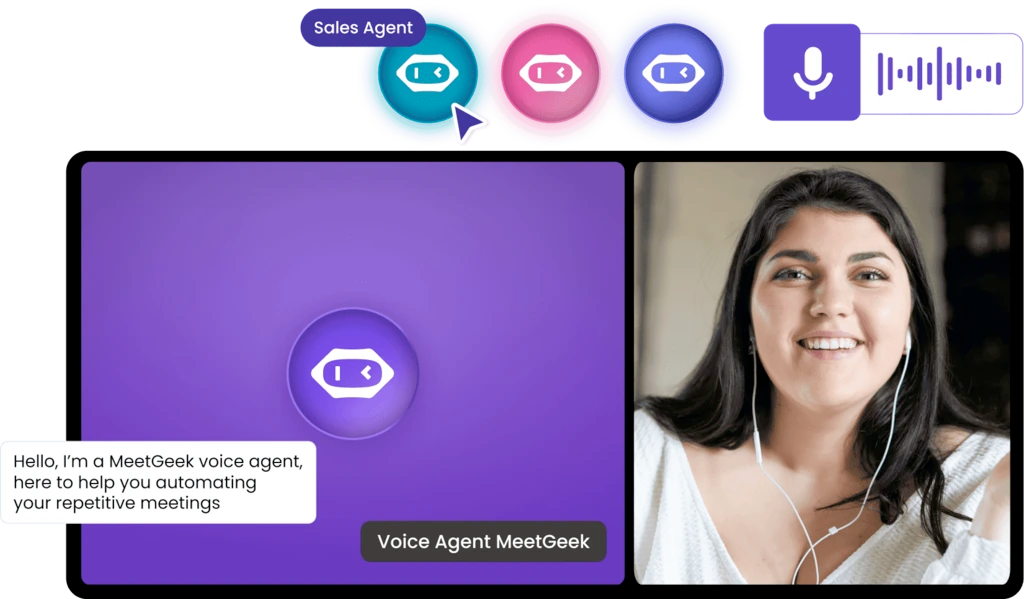
Eles são participantes de IA que você pode convidar para reuniões no Google Meet, Zoom ou Microsoft Teams. Esses agentes podem falar, ouvir, seguir as instruções e lidar conversas rotineiras para você.
Isso inclui:
- Entrevistas de triagem
- Chamadas de descoberta de vendas
- Qualificação de parceria
- Check-ins estruturados
- Coaching de reuniões
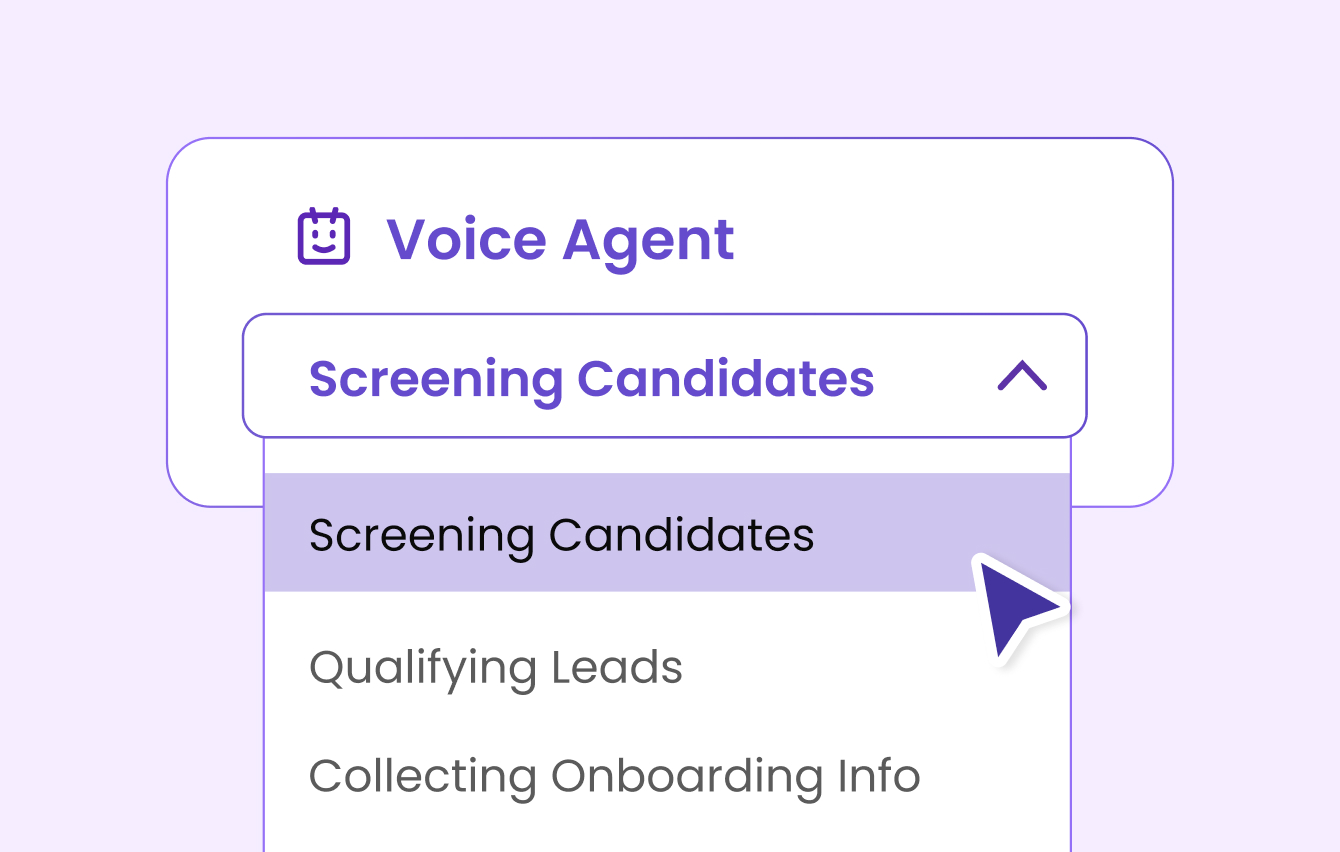
Em vez de fazer malabarismos com uma chamada por vez, você pode realizar várias reuniões simultaneamente enquanto o agente coleta informações, faz anotações estruturadas e sincroniza os resultados com suas ferramentas.
Usado com cuidado, isso reduz o trabalho repetitivo sem remover humanos do processo. O agente manipula a estrutura. As pessoas intervêm quando o julgamento e os relacionamentos são importantes.
Como os agentes de voz de IA trabalham em conversas reais
Em alto nível, os agentes de voz de IA combinam vários tecnologias de fala em um fluxo contínuo. Mas o que importa não é a tecnologia em si, é como ela se sente durante uma ligação real.
Veja o que está acontecendo nos bastidores:
1. Ouvindo a linguagem falada
Tudo começa quando alguém fala: em uma linha de call center, durante um chamada de vendas, ou em uma reunião por voz.
Usando o reconhecimento automático de fala (geralmente chamado de reconhecimento de fala ou fala em texto), o agente converte palavras faladas em texto. Os sistemas modernos são treinados para lidar com ruídos de fundo, sotaques diferentes e padrões naturais de fala.
É por isso que a IA de voz moderna não exige que as pessoas “falem como um robô”.
2. Compreender o significado, não apenas as palavras
Depois que a fala é convertida em texto, o agente usa o processamento de linguagem natural e a compreensão da linguagem natural para interpretar a mensagem.
Esta etapa se concentra em:
- Analisando a entrada do usuário
- Identificação da intenção do usuário
- Entendendo o contexto em turnos em uma conversa
É isso que permite a Agentes de Voz de IA para lidar com conversas semelhantes às humanas, acompanhar com perguntas esclarecedoras e manter-se alinhado com o que a pessoa está realmente tentando alcançar.
3. Decidindo o que fazer a seguir
Depois de entender a solicitação, o agente analisa os dados, as regras e o contexto relevantes para determinar a resposta apropriada.
Isso pode envolver:
- Consultando sistemas de back-end
- Verificando registros de clientes
- Decidir se deve recorrer a agentes humanos
- Encaminhando chamadas para a equipe certa
Muitos agentes modernos de IA de voz confiam em grandes modelos de linguagem neste estágio para oferecer suporte à geração de respostas flexíveis, especialmente quando as conversas não seguem um caminho previsível.
4. Falando de volta naturalmente
Por fim, a resposta é convertida novamente em áudio usando conversão de texto em fala, produzindo uma saída de voz nítida que soa natural, não robótica.
Alguns sistemas até suportam a conversão de fala em fala, reduzindo a latência para que a conversa pareça mais próxima de uma troca humana real.
Por que as empresas estão implantando agentes de voz de IA (principais benefícios)
Os agentes de voz de IA estão sendo adotados porque resolvem vários problemas antigos com o suporte de voz ao mesmo tempo.
Quando bem projetadas, elas tornam as interações de voz mais rápidas, mais tranquilas e mais fáceis de gerenciar, tanto para clientes quanto para equipes internas.
1. Menor pressão sobre agentes humanos
O trabalho baseado em voz é exigente. Lidar com chamadas telefônicas o dia todo exige foco constante, regulação emocional e rápida tomada de decisões.
Ao assumir conversas repetitivas e solicitações previsíveis, os agentes de IA de voz reduzem a carga cognitiva dos agentes humanos. Isso ajuda as equipes a evitar o esgotamento, diminui a rotatividade e mantém o apoio humano disponível para situações que realmente precisam de empatia ou julgamento.
2. Tempos de espera mais curtos e respostas instantâneas
Longos tempos de espera são um dos maiores fatores de frustração no suporte de voz.
Os agentes de voz com inteligência artificial podem responder imediatamente, mesmo durante picos no volume de chamadas, o que significa que os clientes não precisam esperar apenas para fazer uma pergunta simples ou verificar um status. As primeiras respostas mais rápidas ajudam diretamente a melhorar a satisfação do cliente.
3. Respostas consistentes e precisas em grande escala
As respostas humanas variam naturalmente, especialmente entre turnos, regiões e níveis de experiência.
Os agentes de voz de IA sempre fornecem informações consistentes, com base nos mesmos dados e regras relevantes. Essa consistência melhora a confiança e reduz os erros, especialmente em ambientes de alto volume, como linhas de suporte ou centrais de atendimento.
4. Melhor uso do tempo e das habilidades
Quando as chamadas de rotina são atendidas automaticamente, as equipes podem concentrar seu tempo onde é mais importante.
Isso leva a uma melhor alocação de recursos: menos interrupções, menos transferências desnecessárias e mais espaço para os agentes humanos trabalharem em tarefas mais complexas que exigem raciocínio, negociação ou consciência emocional.
5. Suporte em vários idiomas e regiões
Os agentes de IA de voz modernos são criados para lidar com vários idiomas e sotaques, o que os torna uma opção prática para atender a um público global sem precisar de equipes multilíngues totalmente equipadas em todas as regiões.
Isso torna o suporte de voz mais acessível e, ao mesmo tempo, mantém os custos previsíveis.
Aplicativos comuns para os quais agentes de voz de IA são usados
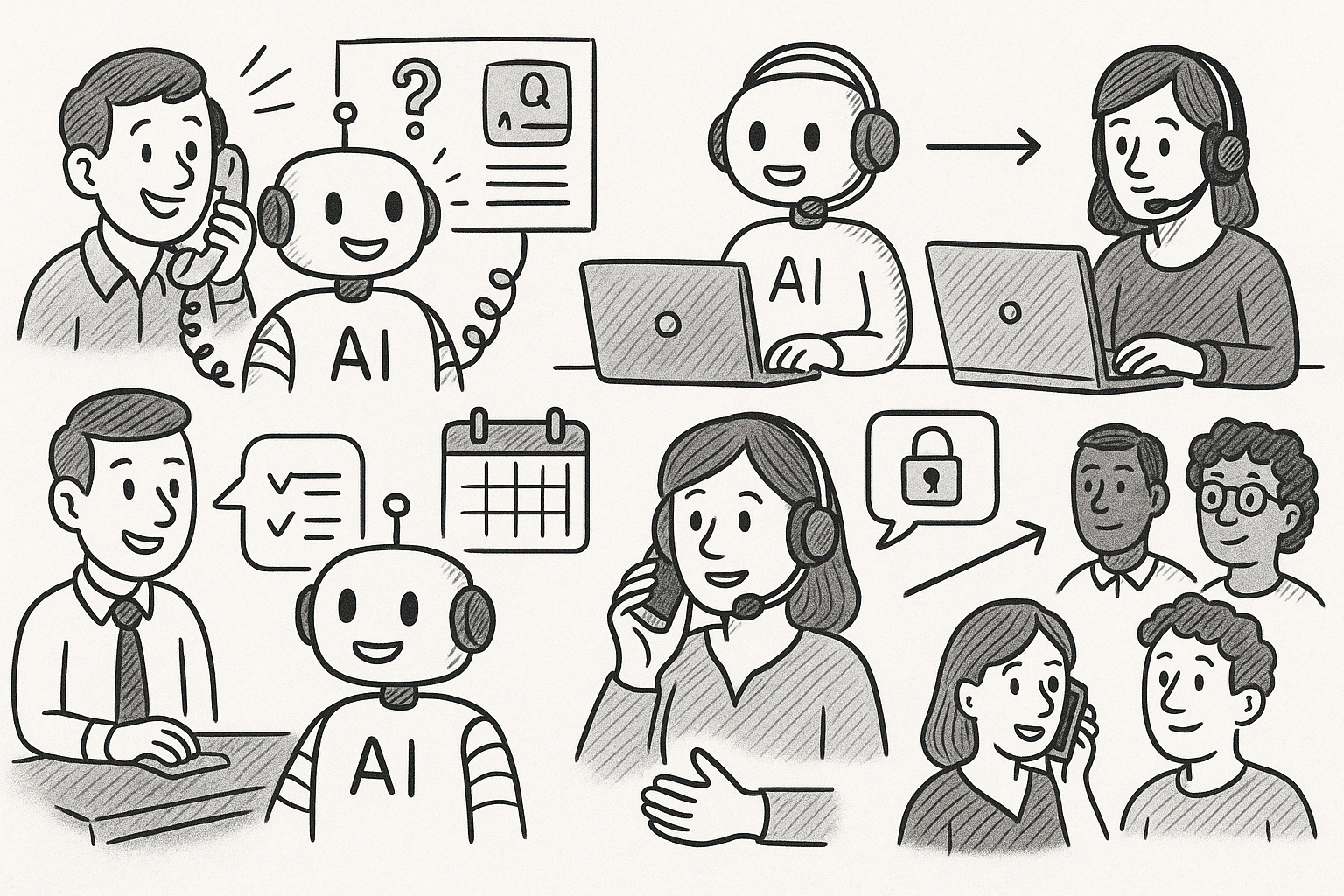
Os agentes de voz de IA funcionam melhor quando são aplicados aos tipos certos de conversas. Normalmente, são interações frequentes, estruturadas e sensíveis ao tempo, mas sem nuances profundas.
Abaixo estão os casos de uso mais comuns e eficazes nos quais as equipes confiam atualmente.
Responder a perguntas frequentes e consultas rotineiras de clientes
Uma grande parte das chamadas recebidas envolve as mesmas perguntas feitas repetidamente.
Os agentes de voz da AI podem responder perguntas frequentes, consultas e fornecer detalhes sobre políticas, princípios básicos de preços e acesso à conta. Isso libera os agentes humanos de repetir as mesmas informações ao longo do dia.
Roteamento inteligente de chamadas e triagem do contact center
Em vez de forçar os chamadores a passarem por menus rígidos, os agentes de IA de voz podem fazer algumas perguntas naturais, entender a intenção do usuário e encaminhar a chamada para o lugar certo.
Isso melhora a experiência dentro do contact center, reduzindo as transferências e garantindo que os clientes alcancem a equipe certa com mais rapidez.
Qualificação de vendas inbound
Equipes de vendas muitas vezes gastam tempo em chamadas iniciais que seguem um padrão previsível.
Os agentes de voz de IA podem lidar com a qualificação de entrada fazendo perguntas estruturadas, coletando detalhes e transmitindo leads qualificados aos representantes de vendas com contexto. Isso mantém as conversas de vendas focadas e reduz o tempo perdido.
Confira este vídeo de demonstração para entender melhor como isso funciona:
Agendamento e reagendamento de consultas
O agendamento é uma das interações mais naturais baseadas em voz.
Os agentes de voz com IA podem gerenciar o agendamento de compromissos, confirmações e alterações verificando a disponibilidade nos sistemas existentes e respondendo instantaneamente. Isso é especialmente útil em serviços de saúde, serviços profissionais e operações de campo.
Coleta de informações antes da escalação
Nem todo problema pode ser resolvido automaticamente, e tudo bem. Os agentes de IA de voz são eficazes em coletar as informações certas com antecedência antes de envolver um agente humano. Quando a transferência acontece, o contexto já está claro, reduzindo a repetição e a frustração.
Autenticação e verificação baseadas em voz
Alguns fluxos de trabalho exigem verificações de identidade antes de prosseguir. Os agentes de IA de voz podem oferecer suporte à biometria de voz ou às etapas de verificação guiada, ajudando a confirmar a identidade sem longos scripts de segurança ou verificações manuais.
Triagem de suporte durante o pico de demanda
Durante interrupções, lançamentos de produtos ou picos sazonais, altos volumes de chamadas podem sobrecarregar as equipes. Os agentes de voz de IA podem absorver o aumento inicial, responder a perguntas comuns e fazer a triagem de problemas para que os agentes humanos possam se concentrar nos casos mais urgentes ou confidenciais.
Suporte multilíngue para equipes globais
Para organizações que atendem clientes em todas as regiões, os agentes de IA de voz oferecem suporte multilíngue integrado. Eles podem lidar com as consultas dos clientes em diferentes idiomas, manter uma qualidade de serviço consistente e reduzir a necessidade de pessoal específico para cada região, ao mesmo tempo em que mantêm as interações acessíveis e claras.
Considerações finais
Os agentes de voz de IA tratam de lidar com conversas que nem sempre precisam de uma pessoa na linha.
Quando projetados com base na linguagem falada, no contexto e nas transferências claras para agentes humanos, os agentes de IA de voz ajudam as equipes a responder com mais rapidez, escalar com mais segurança e oferecer uma melhor experiência em todos os canais de voz.
À medida que a IA de voz continua amadurecendo, o valor real não é a automação por si só, mas sim liberar as pessoas para se concentrarem em trabalhos que realmente se beneficiam do julgamento humano.
Se você está explorando maneiras de delegar chamadas rotineiras ou conversas estruturadas sem perder a clareza ou o controle, os agentes de voz AI da MeetGeek são um ponto de partida prático. Experimente o MeetGeek gratuitamente e veja como os agentes de voz com IA podem lidar com reuniões repetitivas enquanto sua equipe se concentra no que realmente importa.
Perguntas frequentes
Como saber se alguém está usando uma voz de IA?
Pode ser difícil dizer, especialmente com sistemas de voz de IA modernos que são projetados para soar naturais. Os sinais comuns incluem um ritmo de fala muito consistente, variação emocional limitada ou breves pausas antes das respostas. As vozes da IA também podem repetir frases semelhantes em respostas diferentes. Em muitas regiões, as empresas precisam divulgar claramente quando um agente de voz de IA está sendo usado, o que geralmente é o indicador mais confiável.
As chamadas de voz com IA são legais?
Sim, as chamadas de voz com IA são legais na maioria dos países quando usadas em conformidade com as leis locais. Normalmente, as empresas precisam informar aos usuários que estão interagindo com um sistema de IA, seguir os regulamentos de proteção de dados e obter consentimento para gravação de chamadas, quando necessário. Os requisitos legais variam de acordo com a região, portanto, as organizações geralmente alinham o uso de voz da IA às regulamentações de telecomunicações e privacidade.
O que um agente de IA faz?
Um agente de IA executa tarefas interpretando as informações do usuário, tomando decisões e realizando ações com base em metas definidas. Nas interações por voz, isso geralmente inclui responder perguntas, coletar informações, encaminhar chamadas, agendar consultas e encaminhar problemas para um agente humano quando necessário. Os agentes de IA são comumente usados para lidar com tarefas rotineiras de forma consistente e eficiente.
Notas de Reunião no Claude: O Que Você Pode Criar e Como Conectar
Conecte suas notas de reunião ao Claude e transforme chamadas passadas em respostas, documentos finalizados e trabalho em várias etapas.
As 6 Melhores Alternativas ao Airgram em 2026
Compare as melhores alternativas ao Airgram para 2026, incluindo MeetGeek, Fireflies, Otter, tl;dv, Fellow e Sembly AI.
Ata de Reunião no ChatGPT: Benefícios, Usos e Configuração
Conecte as suas notas de reunião ao ChatGPT e transforme chamadas passadas em atas, respostas e automações instantâneas, em linguagem simples.
Como Digitar Mais Rápido: 15 Truques Que Funcionam
Quer digitar mais rápido e cometer menos erros? Descubra truques práticos de digitação, atalhos de teclado e ferramentas que o ajudam a trabalhar de forma mais inteligente.
As 10 Melhores Alternativas ao ChatGPT Para o Trabalho em 2026
Procurando uma alternativa ao ChatGPT? Compare as principais ferramentas de IA para pesquisa, reuniões, escrita, codificação, busca e produtividade em 2026.
9 Melhores Alternativas ao Calendly em 2026 (Testadas + Comparadas)
Cal.com, Acuity, Chili Piper e mais — as melhores alternativas ao Calendly em 2026, testadas e classificadas por caso de uso.
8 Melhores Extensões do Google Meet em 2026 (Testadas para Produtividade)
De notas de IA a cancelamento de ruído, aqui estão 8 extensões do Chrome que corrigem o que o Google Meet não faz nativamente.
Ferramentas de Produtividade de IA Que Realmente Usamos em Vendas e Marketing
Uma visão prática das ferramentas de produtividade de IA que usamos diariamente para reuniões, conteúdo, automação, fluxos de trabalho de vendas e trabalho em equipe.
Gemini vs. Google Assistant: Guia Completo de Comparação
Confuso sobre Gemini vs Google Assistant? Descubra as principais diferenças, o que o Google está mudando e qual assistente se adapta melhor a você.
Gerenciando Equipes Híbridas em 2026: Desafios Comuns e Como Superá-los
Lacunas na comunicação, atrito de fuso horário, deriva cultural — os quatro desafios que todo gestor híbrido enfrenta, e como resolvê-los.

MeetGeek vs tl;dv: Qual ferramenta de reunião de IA é ideal para sua equipe em 2026?
Características, preços, precisão e integrações em uma comparação lado a lado com um veredicto claro para as equipes de vendas, CS e operações.

Como Converter MP4 em Transcrição (Rápido & Preciso)
Aprenda a converter arquivos MP4 em transcrições, legendas e legendas precisas com ferramentas de IA para reuniões, webinars e entrevistas.

Serviço de Transcrição do Google em 2026: Análise Honesta e Melhor Alternativa
Google Meet, Cloud Speech-to-Text, Docs, Recorder — o que cada um faz, onde cada um falha e a melhor alternativa.

Coaching de Vendas com IA: Como as Equipes de Vendas Modernas Usam a IA para Fechar Mais Negócios
How AI sales coaching analyzes every call (not just the 3% a manager samples) and surfaces coachable moments by rep, stage, and objection type.
O ChatGPT consegue transcrever áudio? O que ele pode e o que não pode fazer
O ChatGPT pode transcrever áudio? Descubra como funciona, suas limitações e quando usar o MeetGeek para obter melhores resultados.

IA para o sucesso do cliente: O manual de 2026
Onde a IA se conecta ao dia do CSM (renovações, riscos, referências, avaliações), além de um modelo de maturidade e uma lista de verificação de 10 itens para escolher ferramentas.
Um guia completo da metodologia de vendas do MEDDIC
Descubra as vendas da MEDDIC, como elas ajudam a qualificar leads, entender os processos de decisão e melhorar as taxas de vitória em ciclos complexos de vendas B2B.

Como escrever uma mensagem de ausência temporária
Aprenda a escrever uma mensagem clara de ausência temporária, o que incluir e a usar exemplos prontos para copiar em qualquer situação.
.webp)
Como cancelar sua assinatura do Zoom em 2026
Precisa cancelar sua assinatura do Zoom? Este guia explica exatamente como fazer isso no site da Zoom, na Apple App Store ou no Google Play, o que acontece após o cancelamento e como evitar cobranças extras.
MeetGeek vs Fellow: Comparação de notas de reuniões, agendas e automação
Comparando MeetGeek com Fellow? Veja como suas notas de reuniões, agendas, gravações e recursos de automação de IA diferem para encontrar a melhor opção para sua equipe.
Como gravar tela no Mac (com áudio, som do sistema e dicas profissionais)
Aprenda a gravar a tela no Mac usando ferramentas integradas, capturar áudio corretamente e ver quando o MeetGeek é a opção mais inteligente.
MeetGeek vs Krisp: Qual assistente de reunião de IA é ideal para sua equipe?
Comparação entre MeetGeek e Krisp: notas de IA, cancelamento de ruído, preços, integrações e recursos de gravação explicados com clareza.
Dicas de videoconferência para realizar reuniões virtuais bem-sucedidas
Aprenda dicas práticas de videoconferência que melhoram a qualidade, o engajamento e o acompanhamento do áudio e ajudam as equipes a se manterem alinhadas após as reuniões virtuais.
Webex vs Zoom: Qual plataforma de videoconferência se adapta melhor às suas reuniões?
Uma comparação clara entre Webex e Zoom, desde recursos e preços até segurança e integrações.
Como levantar a mão no Zoom e realmente ser ouvido
Saiba como levantar a mão no Zoom em qualquer dispositivo, evitar interrupções e manter as reuniões organizadas do início ao fim.
Boas perguntas para fazer em uma entrevista que ajudam você a fazer a escolha certa
Saiba quais perguntas fazer, quando fazê-las e como usar entrevistas para decidir se uma função, uma equipe e uma empresa são realmente adequadas para você.

O que é o Modo Companion no Google Meet? Tudo o que você precisa saber
Continue lendo para obter um guia prático sobre como usar o Modo Companion no Google Meet para reuniões híbridas mais claras e equilibradas.
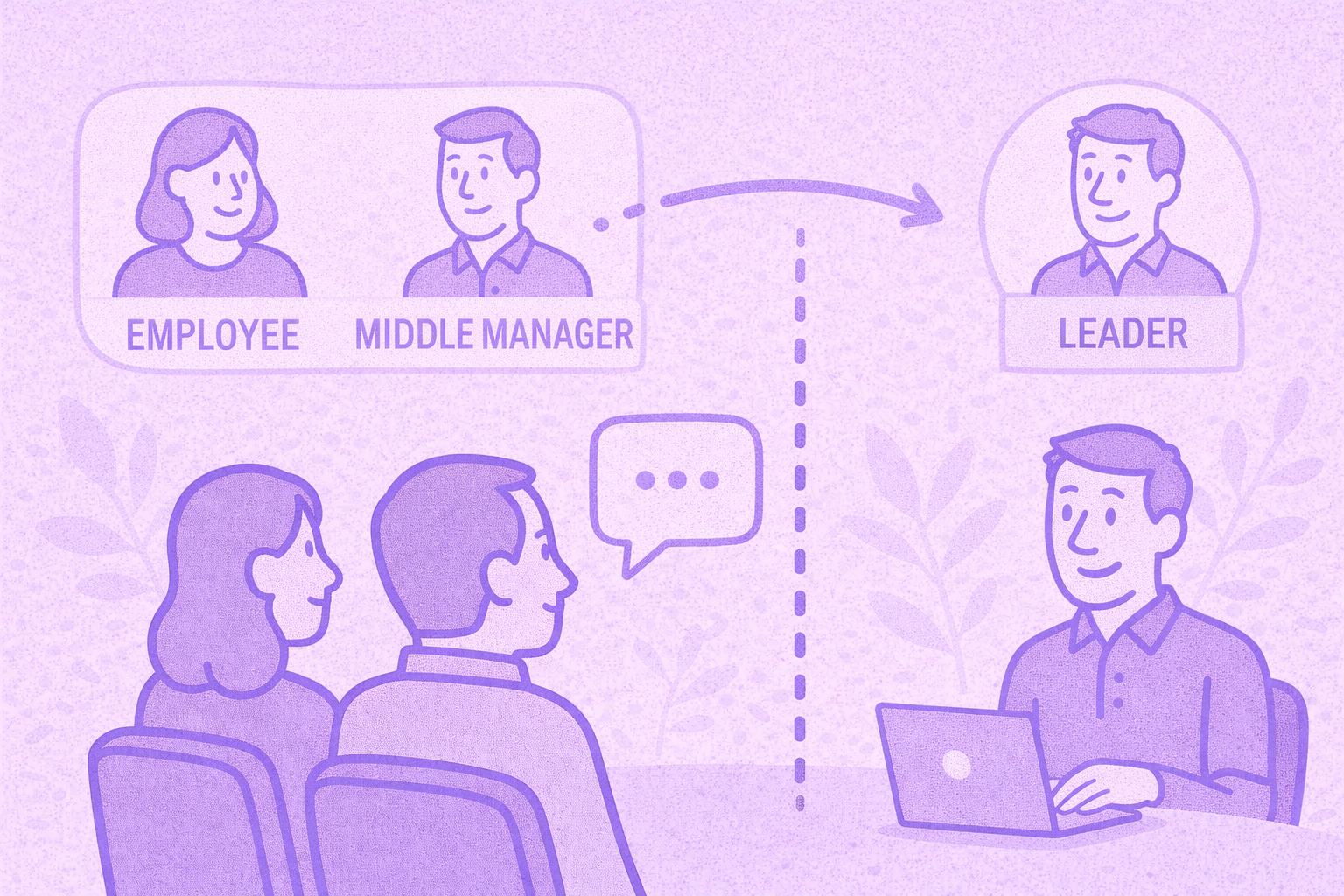
O que é uma reunião skip level? Como os líderes usam o pular de nível para melhorar a comunicação
Uma análise aprofundada das reuniões presenciais e de como elas ajudam os líderes a se conectarem com as equipes e obterem uma visão real.
O Que é um Agente de Voz de IA? Um Guia Prático de Como a IA de Voz Funciona
Este guia explica o que é um agente de voz de IA, como ele funciona, os benefícios que ele oferece e onde ele se encaixa melhor com equipes humanas.

Guia de reuniões stand-up: o que são e como administrá-las
Descubra o que torna uma reunião presencial realmente útil. Este guia explica como fazer stand-ups diários que permaneçam curtos, bloqueiem a superfície e mantenham as equipes alinhadas.
Tudo sobre o Microsoft Teams AI Interpreter + Como ir além da tradução
Descubra como o Microsoft Teams AI Interpreter funciona, onde ele é insuficiente e como ir além da tradução.
Melhor aplicativo de gravação de palestras em 2026:5 ferramentas que os alunos realmente usam
Vamos analisar em profundidade o que os alunos estão usando hoje em dia para gravar e organizar suas palestras, tanto online quanto offline.

Explicação do preço da Read AI para 2026: Valerá a pena para anotação de reuniões
Explore os preços de 2026 da Read AI, seus principais recursos e como ela lida com notas de reuniões, transcrições e insights para apoiar equipes modernas.

O que é uma base de conhecimento pesquisável e como ela funciona?
Explore como as bases de conhecimento pesquisáveis melhoram o acesso às informações e veja como o MeetGeek transforma suas reuniões em um centro de conhecimento rápido e confiável.

Como desfocar o fundo no Google Meet (guia simples para todos os dispositivos)
Descubra como desfocar seu plano de fundo no Google Meet em computadores e dispositivos móveis, usar efeitos visuais e obter uma aparência mais limpa e focada em cada chamada.
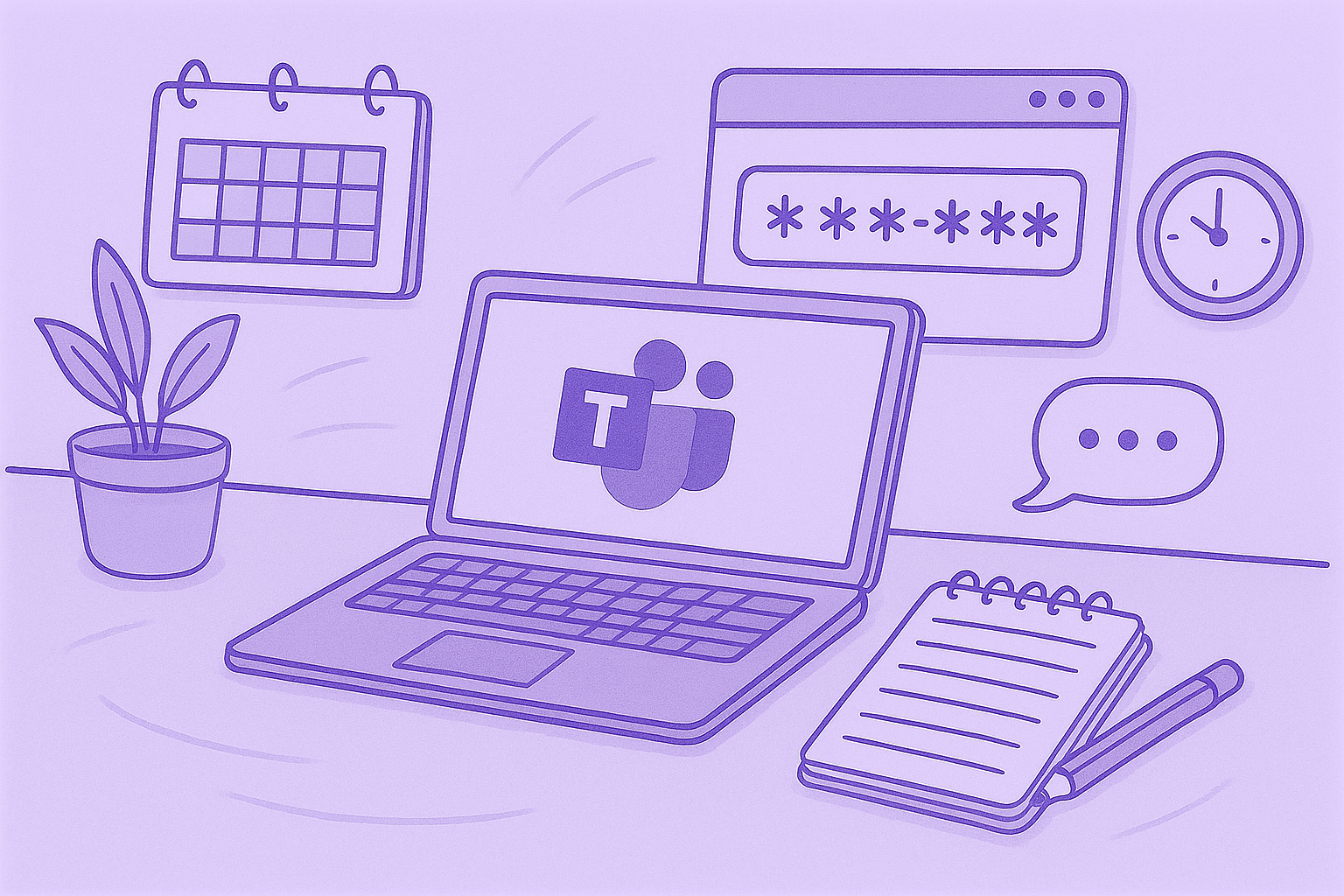
Como participar de reuniões do Teams com código: um guia passo a passo completo
Descubra como participar de reuniões do Microsoft Teams usando um código de reunião, além de outras opções, como um link ou convite. Este guia explica cada método de forma clara e passo a passo.

5 melhores alternativas do NoteGPT em 2026
Explore as 5 principais alternativas do NoteGPT que ajudam você a capturar insights importantes, transcrever conteúdo e aumentar a produtividade em fluxos de trabalho profissionais e de aprendizado.
O que é Perplexity AI? Um guia para o mecanismo de pesquisa baseado em IA que transforma a forma como encontramos informações
Neste artigo, examinaremos de perto o Perplexity AI, o que ele pode fazer por você em comparação com os mecanismos de pesquisa tradicionais e alguns de seus prós e contras.
As melhores alternativas ao tl;dv para agilizar suas reuniões
Descubra as principais alternativas ao tl; dv e explore e compare seus recursos para escolher a ferramenta de reunião de IA certa para sua organização.
Modo de gravação ChatGPT vs MeetGeek: aqui está tudo o que você precisa saber
Quer saber como o gravador ChatGPT se compara ao MeetGeek? Analisamos os recursos, a integração e a segurança de dados para gravar reuniões.
Preços da Fathom AI 2026: ainda vale a pena para equipes modernas?
Explore os preços da Fathom AI para 2026, incluindo recursos, limites e comparações de planos, além de como o MeetGeek oferece mais flexibilidade para equipes.
Agentes de reuniões de IA: como a IA autônoma está transformando o futuro do trabalho
Descubra como os agentes de reuniões com inteligência artificial estão redefinindo o futuro do trabalho, gerenciando agendamentos, acompanhamentos e até mesmo falando em seu nome para economizar tempo e transformar cada reunião em ação real.
Análise do Notta AI: Essa ferramenta de transcrição de IA vale a pena em 2026?
Leia esta análise aprofundada do Notta AI para ver se ele transcreve bem reuniões, lida com vários idiomas e fornece resumos de IA, além de onde é insuficiente em comparação com assistentes de reunião mais inteligentes.
Essas 4 ferramentas de IA para organizações sem fins lucrativos farão com que cada hora conte
Torne sua organização sem fins lucrativos mais eficiente com ferramentas de IA que reduzem o tempo administrativo, melhoram a colaboração e maximizam cada hora de impacto.
Alternativas do Granola AI Notes: as melhores opções para experimentar em 2026
Explore as melhores alternativas do Granola AI Notes para 2026 com ferramentas mais inteligentes que vão além da transcrição, oferecendo automação, insights e colaboração.
E-mail de follow-up após a entrevista: como escrevê-lo, quando enviá-lo e o que dizer
Descubra como escrever um e-mail de acompanhamento eficaz após uma entrevista. Do tempo e dos modelos ao tom e à estrutura, este guia aborda tudo o que você precisa para se destacar e se manter memorável.
Análise de preços da Tactiq 2026: planos, limites e a melhor alternativa
Explore os planos de preços mais recentes da Tactiq e descubra como eles se comparam ao assistente de reuniões tudo-em-um do MeetGeek.

Significado da reunião ad hoc e como organizá-la
Descubra o verdadeiro significado de uma reunião ad hoc e aprenda como tornar as discussões espontâneas mais focadas e eficazes. Descubra quando mantê-los e gerenciá-los.
Etiqueta de reunião virtual: 15 regras essenciais para videochamadas profissionais
Descubra 15 regras e dicas essenciais de etiqueta para reuniões virtuais que mantêm as conversas focadas, profissionais e envolventes.
Como desfocar o fundo no Zoom: guia passo a passo
Descubra como usar o recurso de desfoque de fundo do Zoom para privacidade e foco, além de dicas, correções e quando mudar para planos de fundo virtuais.
Como compartilhar a tela no Google Meet: um guia passo a passo simples
Saiba como compartilhar sua tela no Google Meet com etapas claras para computador, iPhone, iPad e Android.
Explicação do servidor MCP da MeetGeek: Como ele permite que assistentes de IA transformem reuniões
Veja como o servidor MCP da MeetGeek ajuda os assistentes de IA a transformar suas reuniões em insights inteligentes e acionáveis, tudo a partir de sua máquina local.

Como alterar o nome no Zoom (antes e depois de entrar em uma reunião)
Saiba como alterar o nome do Zoom passo a passo em qualquer dispositivo, além de dicas para anfitriões, salas de espera e solução de problemas.
IA para tomar notas para estudantes: as melhores ferramentas para estudar de forma mais inteligente em 2026
Um guia das melhores ferramentas de IA para fazer anotações para estudantes em 2026, com recursos, prós e contras para ajudar você a escolher o aplicativo certo para aprender.
Análise de preço do Descript em 2026: o que ela oferece, onde fica aquém e uma alternativa melhor
Uma análise mais detalhada dos níveis de preços do Descript, suas vantagens e desvantagens e por que o MeetGeek se destaca como uma escolha mais inteligente para criadores.
Limite de tempo do Google Meet: tudo o que você precisa saber
Neste artigo, você aprenderá tudo o que precisa saber sobre os limites de tempo do Google Meet e como ultrapassá-los.

Como transcrever memorandos de voz para texto (3 maneiras diferentes)
Neste artigo, você aprenderá a transcrever mensagens de voz de três maneiras diferentes, pesando os prós e os contras de cada opção.
Melhores alternativas de ClickUp para anotações com IA
Conheça as 5 melhores alternativas do ClickUp se quiser ir além da simples tomada de notas com IA e encontrar um assistente de reuniões abrangente.
O que é um resumo objetivo? Definição, exemplos e dicas
Resumos objetivos são essenciais quando você precisa de informações importantes de reuniões longas. Vamos discutir tudo sobre eles neste artigo!

Como gravar um Google Meet: todas as opções explicadas
Neste artigo, detalhamos como gravar um Google Meet de forma nativa e com a ajuda de ferramentas de terceiros, como o MeetGeek.

Os 7 melhores aplicativos de anotações de reuniões em 2026
Procurando o melhor aplicativo de anotações de reuniões para a sua equipe? Analisamos os recursos, prós e contras dos 7 melhores no momento.

Como gravar um webinar do Zoom como anfitrião ou participante (2 métodos)
Neste artigo, analisaremos como gravar um webinar do Zoom como anfitrião ou participante usando a ferramenta integrada de gravação e de terceiros da Zoom com transcrição de IA.

7 melhores extensões do Chrome para vendedores
Neste artigo, exploraremos as melhores extensões do Chrome para representantes de vendas, com foco em ferramentas que melhoram a inteligência de reuniões, se integram aos CRMs e otimizam a produtividade.

As melhores extensões e ferramentas de captura de áudio do Chrome em 2026 [Comparação]
Vamos nos aprofundar em uma variedade de opções, desde gravadores básicos até plataformas avançadas que oferecem transcrição, resumos e integrações perfeitas.

7 melhores extensões de fala para texto do Chrome: comparação e recursos
Este guia detalha as 8 principais extensões de fala para texto do Chrome para 2025, analisando seus principais recursos, preços e casos de uso ideais para ajudar você a tomar uma decisão informada.

A sobrecarga de reuniões não é o problema real - é um design ruim de reuniões
Quando a sobrecarga de reuniões se torna óbvia, há algumas pequenas mudanças que podem transformar toda a sua cultura de reuniões.

Melhor software de inteligência conversacional em 2026
Ao aproveitar a IA, essas plataformas de inteligência conversacional fornecem a análise necessária para refinar as propostas de vendas ou de investidores, melhorar o treinamento e influenciar a receita.

Como adicionar notas de reunião ao Google Docs [3 maneiras fáceis]
Vamos explorar três maneiras de adicionar suas notas de reunião ao Google Docs, manual ou automaticamente.

Encontre a melhor alternativa ao Zoom em 2026
Procurando uma alternativa ao Zoom? Confira as melhores opções para 2026 e encontre a opção perfeita para suas reuniões!

Como estender o limite de tempo de Zoom: soluções pagas e gratuitas
Precisa de mais tempo para sua reunião do Zoom? Aprenda a estender facilmente sua sessão com este guia simples.

Como instalar o Microsoft Teams para Mac (guia para iniciantes)
Configurar o Microsoft Teams no Mac é fácil! Siga nosso guia rápido para começar a colaborar sem problemas.
Como Gravar Chamadas do WhatsApp: 5 Métodos para Qualquer Dispositivo (2026)
Descubra a maneira mais fácil de gravar chamadas do WhatsApp com nossas instruções claras e passo a passo.

As 5 principais integrações para assistentes de reuniões de IA em 2026
Quer aumentar a produtividade de suas reuniões? Explore as principais integrações de IA de assistentes de reuniões de 2026 que se conectam perfeitamente às suas ferramentas e aplicativos favoritos.

7 maneiras pelas quais os assistentes de reunião de IA economizam tempo para as equipes de vendas em 2026
Saiba como os assistentes de reuniões com inteligência artificial transformam a produtividade de vendas em 2026, eliminando tarefas manuais, simplificando fluxos de trabalho e permitindo que os representantes se concentrem nas vendas.

Explicação e alternativas de todos os planos de preços da Zoom
Obtenha uma análise clara de todos os planos de preços da Zoom, além de dicas inteligentes para salvar ou usar recursos gratuitamente.
Posso fazer uma captura de tela no Teams? Suas perguntas, respondidas
Quer saber como fazer uma captura de tela no Teams? Analisamos o que funciona, o que não funciona e o que devemos observar.

Preços e planos do Google Meet, simplificados
Encontre o plano certo do Google Meet para sua equipe com nossas dicas claras e inteligentes de economia de custos.
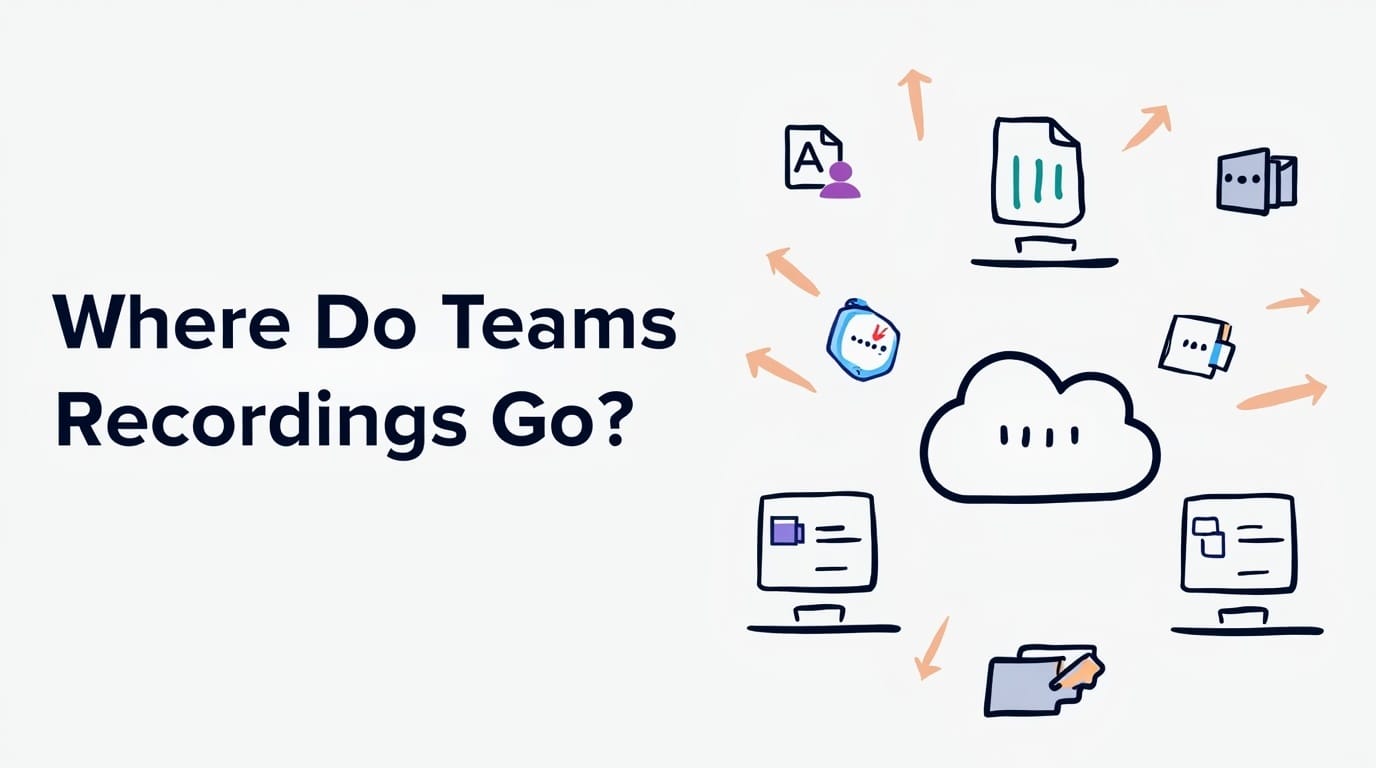
Onde as gravações do Teams são armazenadas? Todos os locais, explicados
Quer saber onde suas gravações do Microsoft Teams vão parar? Aqui estão todas as opções de armazenamento claramente explicadas.

A Semana de Trabalho de 4 Dias: Como as Empresas estão Vencendo a Guerra de Talentos
Por que trabalhar menos pode ser a decisão mais inteligente para empresas que buscam produtividade, inovação e retenção de talentos.
Encontre o melhor aplicativo de fala para texto para trabalho em 2026 (gratuito e pago)
Procurando um aplicativo de voz para texto em 2026? Reunimos as principais opções para aumentar a produtividade e economizar tempo no trabalho.

Gerenciando riscos de segurança e conformidade relacionados aos tomadores de notas com IA
Mantenha suas reuniões baseadas em IA seguras e compatíveis! Saiba como gerenciar riscos de segurança e conformidade, proteger dados confidenciais e garantir a privacidade em suas reuniões virtuais.

Como escrever um e-mail de acompanhamento para uma reunião de negócios + modelos e instruções do ChatGPT
Aprenda a escrever acompanhamentos claros e profissionais de reuniões de negócios com modelos e instruções do ChatGPT para economizar tempo e impulsionar as respostas.

Como usar o Microsoft Teams AI para reuniões
Saiba como automatizar notas, aprimorar a colaboração e tornar as reuniões do Teams mais produtivas com recursos baseados em IA.

Como reservar minutos para uma reunião como um profissional [+ Modelo personalizável gratuito]
Faça sempre atas de reuniões perfeitas! Aprenda dicas de especialistas para capturar pontos-chave, rastrear itens de ação e impressionar sua equipe com habilidades profissionais de anotações.
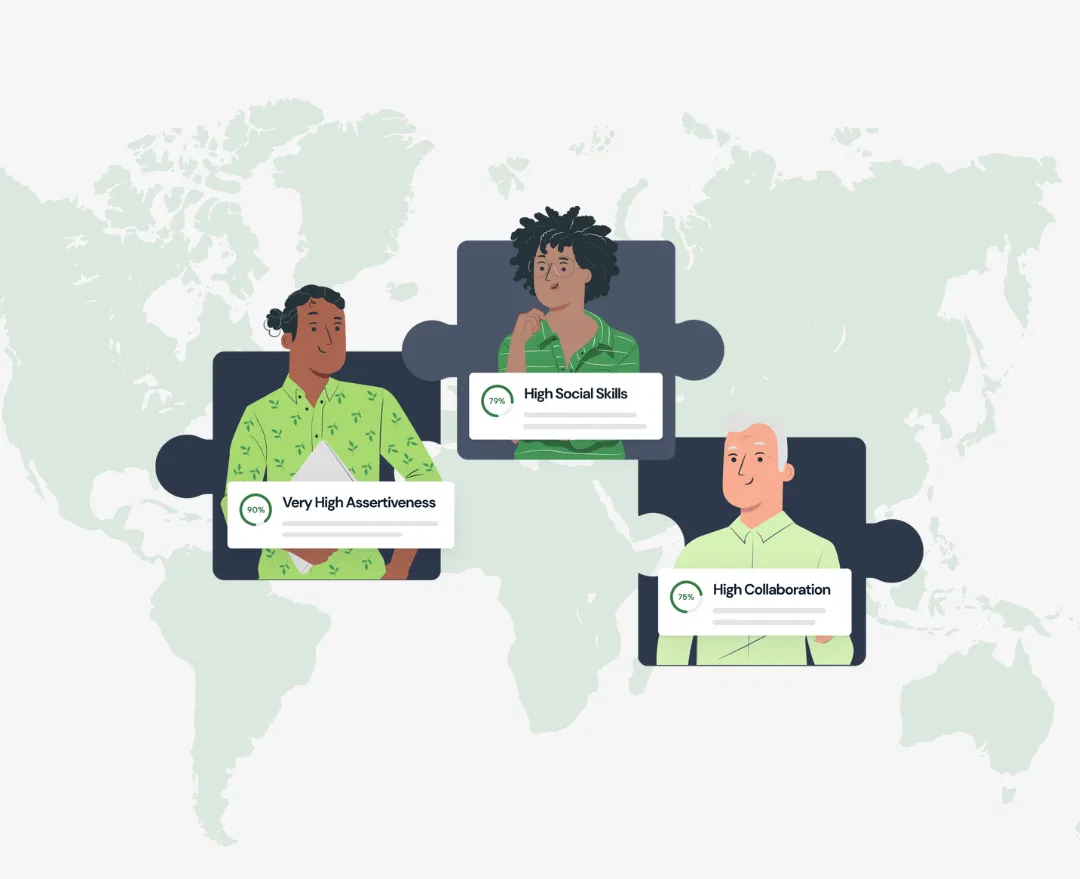
Os 5 A's da comunicação eficaz: um guia de startups para uma melhor colaboração em equipe
O sucesso de uma startup não tem a ver apenas com ótimas ideias, mas com o quão bem sua equipe se comunica. Descubra a estrutura dos 5 A para melhorar a colaboração, reduzir o atrito e transformar conversas em ações.
Relatório de participação em reuniões de Teams: O que é e como usá-lo
Desmistifique o relatório de presença em reuniões de Teams! Saiba como acessá-lo, interpretá-lo e aproveitá-lo para monitorar o engajamento e melhorar suas reuniões virtuais sem esforço.

Como criar e usar o Google Meet Breakout Rooms
Domine as salas de descanso do Google Meet! Aprenda a criá-los, gerenciá-los e usá-los para promover a colaboração e o engajamento em suas reuniões virtuais.
Como se gravar no Zoom, passo a passo
Domine a arte de gravar no Zoom com nosso guia simples. Aprenda a capturar suas reuniões ou anotações pessoais sem esforço.

Mais de 30 KPIs de vendas a serem monitorados em 2026
Descubra os segredos do sucesso de vendas em 2026 com este guia de mais de 30 KPIs de vendas essenciais. Saiba o que acompanhar para impulsionar o desempenho e o crescimento da receita da sua equipe.
Como criar uma transcrição do Zoom: 2 maneiras
Descubra como criar transcrições do Zoom sem esforço com nosso guia sobre dois métodos simples, perfeitos para capturar todos os principais pontos de discussão.

Encontre o modelo perfeito de avaliação de desempenho de funcionários
Descubra os melhores modelos de avaliação de desempenho de funcionários para agilizar seu processo de avaliação e aumentar a produtividade no local de trabalho.

As 60 melhores citações motivacionais de vendas para sua equipe de vendas em 2026
Procurando motivação para vendas? Encontre as melhores cotações de vendas para 2026 para capacitar sua equipe, incentivar uma mentalidade positiva e manter todos focados em atingir as metas.

Como lidar profissionalmente com qualquer conflito de horário
Aprenda a lidar com conflitos de agenda profissionalmente. Este guia oferece dicas práticas para gerenciar sobreposições, reagendar reuniões e manter relacionamentos fortes.

Guia Fácil para Instalar o Zoom para Windows
Novo no Zoom? Siga este guia simples para instalar o Zoom em seu computador Windows. Prepare-se rapidamente e comece a participar de reuniões com facilidade. Perfeito para iniciantes.
Como Gerar Notas de Reunião com ChatGPT [+ Prompts Gratuitos para ChatGPT]
Descubra etapas simples para gerar notas de reunião com o ChatGPT. Siga este guia para capturar pontos-chave, itens de ação e muito mais para obter registros de reuniões organizados e eficientes.
7 Melhores Alternativas ao Loom em 2026
Descubra as 7 melhores alternativas de Loom em 2024. Encontre as melhores ferramentas para mensagens de vídeo e colaboração em equipe.
.webp)
Zoom vs Microsoft Teams: Qual Escolher em 2026
Descubra o que é melhor para você em 2024: Zoom ou Microsoft Teams? Compare os recursos e faça a melhor escolha para suas necessidades!
Consiga mais compromissos com os códigos QR de uma reunião
Leia este manual para saber tudo sobre como encontrar códigos QR. Mergulhe em seus casos de uso práticos, benefícios e instruções passo a passo para criá-los de acordo com suas necessidades.

Fireflies vs Otter: Qual é o Melhor
Compare o Fireflies.AI e o Otter.AI para descobrir qual ferramenta de transcrição de reuniões atende melhor às suas necessidades. Explore recursos, preços e muito mais para fazer a escolha certa!
Como Aproveitar ao Máximo o Zoom AI Companion Como seu Assistente de Reuniões de IA
Aprenda a usar os recursos do Zoom AI Companion para aprimorar suas reuniões, economizar tempo e aumentar a produtividade com recursos e dicas úteis para um fluxo de trabalho mais tranquilo.