.avif)

Como redigir atas de reuniões eficazes (com modelos e exemplos)
Como você pode garantir que suas atas de reunião sejam boas e que você possa realmente usá-las mais tarde? Leia este artigo para descobrir!

✅ Free meeting recording & transcription
💬 Automated sharing of insights to other tools.
Meeting minutes are the official written record of a meeting. They document the date and time, meeting attendees, key points of discussion, decisions made, action items, and next steps.
Whether you're preparing board meeting minutes, a company meeting recap, or minutes of a meeting for future reference, writing effective meeting minutes ensures accountability, legal protection, and team alignment.
In this article, we'll guide you through everything you need to know to become proficient at this task. Let's get started and turn what may feel like an overwhelming responsibility into a straightforward and satisfying part of your job.
What are meeting minutes?
Meeting minutes are the official written record of a meeting. They document what happened during a particular meeting, including the meeting date, date and time, location, meeting attendees, agenda items, key discussion points, decisions made, and action items.
Unlike informal meeting notes, the meeting minutes formar follows a structured and consistent format. Their purpose is to create an accurate record that can serve as a reference point for future meetings, track progress, and support follow-up actions.
In board meetings, minutes serve an even more important role. Board meeting minutes can become legal records and may be reviewed during legal proceedings, audits, or compliance checks. That’s why accurate minutes are considered an essential part of good governance and legal protection.
Well-written meeting minutes help:
- Keep the whole team aligned
- Highlight key decisions and next steps
- Record motions accepted or rejected
- Assign responsible parties and due dates
- Preserve a historical record for future reference
Whether you’re documenting a company meeting, an annual general meeting, or a strategic planning session, meeting minutes provide the official document that captures the most important details of the full meeting.
Why are they called minutes of meeting?
The word “minutes” doesn’t refer to time. It comes from the Latin phrase minuta scriptura, meaning “small notes.”
Minutes of a meeting were originally short written records of important discussions and decisions. Over time, the term stuck, even though modern meeting minutes are often more detailed and structured.
Despite the name, meeting minutes are not a word-for-word transcript. They focus on key information, key discussion points, decisions made, and tasks assigned, not every comment shared during the meeting.
Meeting minutes vs meeting notes vs meeting summaries
These terms are often used interchangeably, but they are not the same thing. Understanding the difference helps you choose the right format for a particular meeting.
Meeting minutes
Meeting minutes are the official written record of a meeting. They follow a structured and consistent format and are designed to document:
- The meeting date, time, and location
- Meeting attendees and absentees
- Agenda items and key discussion points
- Decisions made and motions accepted or rejected
- Action items, responsible parties, and due dates
- The date of the next meeting
In board meetings and annual general meetings, board meeting minutes may serve as legal records. They are part of the organization’s official documentation and can provide legal protection during audits or legal proceedings.
Meeting minutes are not a word-for-word transcript. They focus on key information and record decisions clearly, rather than capturing every comment made during the full meeting.
Meeting notes
Meeting notes are typically informal and flexible. They are often used in team meetings, project updates, or one-on-one conversations.
Meeting notes may include:
- Main points discussed
- Ideas shared during the discussion
- Personal reminders
- Follow-up actions
Unlike meeting minutes, meeting notes do not always follow a standardized format. They are usually created for internal reference and may reflect a specific note-taking method chosen by the designated note taker or project manager.
Meeting notes are helpful for quick collaboration, but they do not usually serve as an official document.
Meeting summaries
Meeting summaries sit somewhere in between.
A meeting summary provides a high-level recap of the topics discussed, key takeaways, and next steps. It focuses on clarity rather than structure.
A clear and concise summary may be shared via email, chat, or collaboration tools like Microsoft Teams. It helps absent meeting participants understand what happened without reviewing detailed minutes.
However, meeting summaries typically do not:
- Record motions or voting outcomes
- Follow a formal approval process
- Serve as legal evidence
Which format should you use?
- Use meeting minutes for board meetings, formal company meetings, compliance-driven discussions, and any situation where an official record is required.
- Use meeting notes for working sessions, brainstorming, and informal team syncs.
- Use meeting summaries when you want a quick recap for stakeholders who need the big picture.
Choosing the right format ensures your documentation matches the meeting’s objectives and avoids unnecessary detail where it isn’t needed.
How to write meeting minutes (step-by-step)
Writing meeting minutes becomes much easier when you follow a clear minute-taking process. Whether you’re documenting a board meeting, a company meeting, or a project sync, these steps will help you create more effective meeting minutes without overcomplicating the work.
1. Prepare before the meeting begins
Good meeting minutes start with good meeting preparation.
Before the meeting begins, review the meeting agenda and clarify the meeting’s objectives with the meeting leader or board chair. Understanding the agenda items in advance helps you stay focused on the key discussion points instead of trying to capture everything.
Preparation should include:
- Confirming the meeting date, time, and meeting location
- Getting a list of meeting attendees and expected participants
- Reviewing relevant documents or financial statements (for board meetings)
- Setting up a meeting minutes template in a consistent format
Using a pre-made template saves time and helps ensure accuracy later.
2. Take structured notes during the meeting
When taking minutes, focus on active listening rather than writing a word-for-word transcript. Meeting minutes are not meant to capture every comment. They should highlight important points, capture key decisions, and lead to clear action items.
As the meeting progresses:
- Record attendance and late arrivals
- Note agenda items in the order discussed
- Capture key discussions and discussion points
- Record decisions made and motions accepted or rejected
- Identify the person responsible for each task
- Write down due dates and next steps
Using bullet points instead of long paragraphs helps you stay organized and makes the final draft easier to read.
If appropriate, and with everyone’s approval, a recording device can help ensure accuracy, especially in board meetings or formal settings. However, the final minutes should remain concise and structured, not a transcript.
3. Record decisions and action items clearly
One of the main purposes of meeting minutes is to document decisions made and follow-up actions.
Every action item should include:
- The task
- The responsible party
- A due date
Clear documentation helps teams track progress before the next meeting and ensures accountability among meeting participants.
In board meeting minutes, it’s especially important to record motions, voting outcomes, and any conflicts of interest disclosed. These details may become part of the official record and provide legal protection if questions arise later.
4. Draft the minutes promptly after the meeting
Minutes should be written as soon as possible after the meeting adjourns. Waiting too long increases the risk of missing important details.
When preparing minutes:
- Organize your notes into a consistent, standardized format
- Remove personal opinions or personal observations
- Use concise language
- Highlight decisions and key takeaways
- Double-check names, dates, and facts to ensure accuracy
At this stage, you are creating draft minutes, not the final version.
For more formal meetings, such as board meetings or annual general meetings, include enough detail to create an accurate record, but avoid unnecessary commentary.
5. Follow the approval process
In many organizations, especially for board meeting minutes, there is a formal approval process.
Typically:
- Draft minutes are shared with the meeting’s chair or board secretary
- Revisions are made if necessary
- Minutes are approved at the next meeting
- Once approved, they become the official written record
Approved minutes may also include references to previous meeting minutes, decisions, and updates on unfinished business.
6. Store minutes for future reference
Once finalized, meeting minutes should be stored in a central location with easy access for relevant stakeholders.
Proper storage ensures:
- A historical record of decisions
- Easy reference for future meetings
- Support during audits or legal proceedings
- Continuity between the previous meeting and the next board meeting
Using cloud tools such as Google Docs, Microsoft Word with online sharing, or a collaboration platform allows for real-time collaboration while keeping documentation organized.
Well-structured meeting documentation helps your whole team stay aligned and reduces confusion in future meetings.
How to take more effective meeting minutes with MeetGeek
Manual minute-taking often forces one person to split their attention between participating in the discussion and documenting key decisions. MeetGeek is built specifically to reduce that friction by automating recording, transcription, summarization, and follow-up tracking.
Automatic meeting recording and transcription
Once connected to your calendar, MeetGeek can automatically join scheduled meetings on platforms like Microsoft Teams, Zoom, and Google Meet. It records the full meeting and generates a transcript with speaker identification and timestamps.
.webp)
This creates a reliable written record of the entire discussion, which is especially valuable for board meetings, compliance-heavy conversations, or strategic planning sessions. Instead of relying on handwritten notes, you have a complete transcript you can reference when preparing accurate minutes.
AI-generated summaries and structured meeting minutes
MeetGeek does not stop at transcription. It analyzes the conversation and produces structured AI summaries that highlight key discussion points, decisions made, and important details from the meeting.

These summaries act as draft meeting minutes. Rather than starting with a blank document, you begin with an organized outline that reflects the meeting agenda and core outcomes. You can then review and refine the draft to align with your preferred meeting minutes template or formal requirements.
Automatic action item detection and task tracking
One of the most practical features for writing effective meeting minutes is automatic action item detection. MeetGeek identifies follow-up actions during the discussion and connects tasks to the person responsible.
This makes it easier to track progress between the previous meeting and the next meeting. Instead of manually scanning notes to identify tasks assigned, you can quickly review a structured list of action items with clear ownership and next steps.
Centralized storage and searchable meeting history
All recordings, transcripts, summaries, and meeting minutes are stored in one central location. This creates a searchable knowledge base where you can revisit previous meeting minutes decisions, locate specific discussion points, or prepare for the next board meeting without digging through email threads or scattered documents.
.webp)
For organizations that hold recurring company meetings or formal board meetings, this centralized archive becomes a valuable historical record that supports continuity and accountability.
Integrations with your existing tools
MeetGeek integrates with tools teams already use, such as CRM systems, collaboration platforms, and documentation tools. This allows meeting summaries and action items to flow directly into your workflow rather than being manually copied into Microsoft Word, Google Docs, or project management tools.
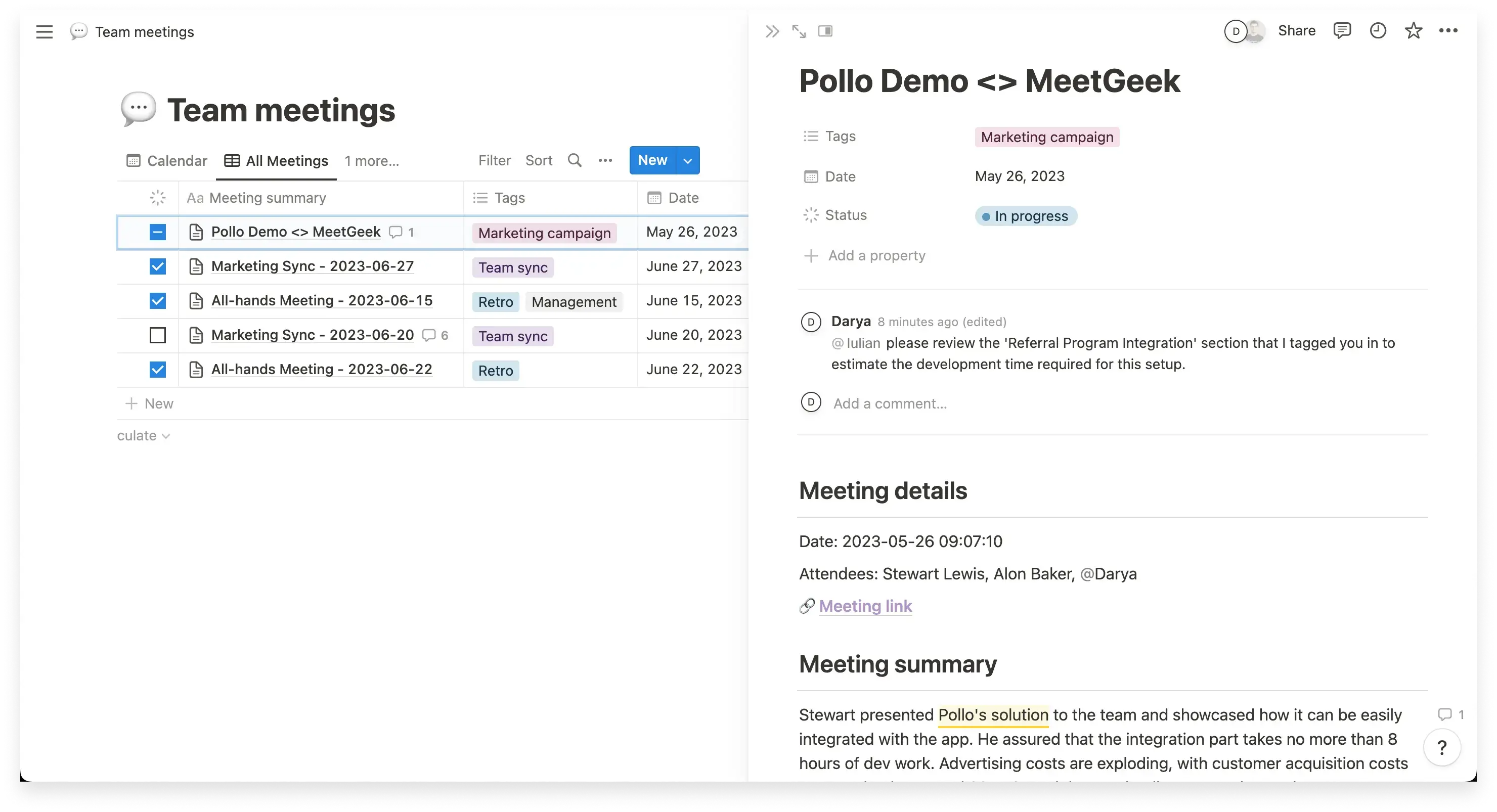
The result is a smoother process from discussion to documentation to execution.
What is the purpose of meeting minutes?
Meeting minutes exist to turn conversations into clarity. When a meeting ends, people often remember different versions of what was said. Minutes create a shared written record that captures the key discussion, the decisions made, and the tasks assigned so everyone walks away aligned.
One of their primary purposes is to create an official record. A well-prepared set of meeting minutes documents the meeting date, time, location, meeting attendees, agenda items, and the main decisions. In board meetings especially, minutes serve as legal records. They may be reviewed during audits or legal proceedings, which is why accurate minutes are essential for legal protection and compliance. Board meeting minutes help demonstrate that decisions were made thoughtfully and through a proper approval process.
Meeting minutes also ensure accountability. When tasks are discussed in a meeting, it is easy for responsibility to become unclear afterward. Writing meeting minutes forces clarity by identifying the person responsible for each action item and setting a due date. This makes follow-up actions easier to track before the next meeting. Instead of relying on memory, meeting participants can refer back to the written record to see what was agreed upon.
Another important purpose is tracking progress over time. Reviewing previous meeting minutes decisions allows teams to see whether commitments were completed and whether strategic goals are moving forward. This is especially important in recurring company meetings, board meetings, and strategic planning sessions. Minutes create a historical record that connects one meeting to the next board meeting and provides a reliable reference point for future meetings.
Meeting minutes also help keep the whole team aligned. Not every stakeholder can attend every meeting. Sharing structured minutes gives absent participants access to the key takeaways, decisions made, and next steps without needing a separate recap. When stored in a central location with easy access, meeting documentation becomes a stable source of truth.
Finally, effective meeting minutes help reduce unnecessary future meetings. When decisions are clearly recorded and action items are assigned, there is less need to revisit the same topics repeatedly. Clear documentation supports a more effective meeting culture where discussions lead to action rather than confusion.
Who is responsible for taking meeting minutes?
The person responsible for taking meeting minutes depends on the type of meeting and the organization’s structure.
In board meetings
For board meetings and annual general meetings, the board secretary is typically responsible for writing meeting minutes.
In this context, minutes:
- Become part of the official record
- Support the approval process
- May serve as legal evidence in audits or legal proceedings
- Must clearly record motions, voting outcomes, and key decisions
The board secretary usually works closely with the board chair to ensure the minutes follow a consistent and compliant format.
In company meetings
In less formal company meetings, the role often falls to:
- A designated note taker
- A project manager
- An executive assistant
- Another meeting participant
Some teams rotate the responsibility across the whole team. While this spreads the workload, it can lead to inconsistent documentation if there is no standardized meeting minutes template in place.
Should the meeting leader take minutes?
In most cases, no.
The meeting leader or meeting’s chair should focus on facilitating discussion, guiding agenda items, and ensuring decisions are made. Trying to lead and write meeting minutes at the same time increases the risk of missing important details as the meeting progresses.
What matters most
Regardless of who takes minutes, the person responsible should:
- Understand the meeting agenda and objectives
- Know what level of detail is required
- Be able to distinguish key discussion points from side conversations
- Ensure accurate minutes that clearly record decisions and action items
The goal is to create structured minutes that provide a reliable reference point for future meetings.
What should meeting minutes include?
Meeting minutes should capture the essential details of a meeting without becoming a word-for-word transcript. The goal is to create an accurate record that reflects what was discussed, decided, and assigned.
Here are the core elements every set of meeting minutes should include.
1. Meeting details
Every set of minutes should begin with the basic meeting information:
- Meeting name
- Meeting date
- Date and time
- Meeting location
- Type of meeting, such as board meeting or company meeting
These details establish the official record and provide context for future reference.
2. Attendance
It is important to record attendance clearly.
This section should include:
- Meeting attendees
- Absent participants
- Late arrivals if relevant
- Confirmation that a quorum was present for board meetings
Accurately recording attendance strengthens the credibility of the minutes and supports compliance in formal settings.
3. Approval of previous meeting minutes
For recurring meetings, include a note confirming whether previous meeting minutes were reviewed and approved.
Board meeting minutes should reflect:
- Whether the previous meeting minutes were approved
- Any corrections made
- Confirmation of the approval process
This step formally validates the written record.
4. Agenda items and key discussion points
Minutes should follow the meeting agenda and summarize each agenda item in the order discussed.
Under each agenda item, include:
- Key discussion points
- Important details
- Relevant documents referenced
- Any financial statements reviewed in board meetings
Focus on main points and key information rather than personal observations or side conversations.
5. Decisions made
Every decision should be recorded clearly and concisely.
This may include:
- Motions proposed
- Motions accepted or rejected
- Voting outcomes
- Key decisions related to strategic planning or new business
In board meeting minutes, it is especially important to record motions precisely and document how decisions were reached.
6. Action items and responsible parties
Meeting minutes should clearly outline follow-up actions.
Each action item should identify:
- The task
- The person responsible
- The due date
- Any next steps required
This ensures accountability and makes it easier to track progress before the next meeting.
7. Next meeting information
Finally, include details about the next meeting.
This typically includes:
- Date and time of the next meeting
- Location or virtual platform
- Preliminary agenda items if available
Including this information helps maintain continuity between meetings.
Board meeting minutes: what makes them different?
Board meeting minutes are more formal than regular meeting notes. They serve as the official record of board meetings and may be reviewed during audits or legal proceedings. Because of this, they must be accurate, structured, and consistent.
Unlike informal meeting documentation, board meeting minutes must clearly record motions, voting outcomes, decisions made, and any conflicts of interest disclosed. They should also reference financial statements, strategic planning discussions, and new business when relevant.
They also follow a formal approval process. Draft minutes are reviewed and approved at the next board meeting. Once approved, they become part of the organization’s permanent legal records and should be stored securely for future reference.
Meeting minutes templates
Using a meeting minutes template helps you stay organized and maintain a consistent format. It also makes writing meeting minutes faster, especially for recurring meetings.
Below are two common formats you can adapt to your needs.
Board meeting minutes template
This format works best for board meetings, annual general meetings, and other formal sessions where minutes serve as the official record.
Meeting name:
Meeting date:
Date and time:
Meeting location:
Board chair:
Board secretary:
Board members present:
Board members absent:
Approval of previous meeting minutes:
Note whether previous meeting minutes were approved and record any corrections.
Agenda items and key discussions:
Summarize each agenda item and key discussion points.
Motions and decisions made:
Record motions proposed, motions accepted or rejected, and voting outcomes.
Action items:
List tasks assigned, the person responsible, and due dates.
Next board meeting:
Include the date and time of the next meeting.
Adjournment:
Record when the meeting adjourns.
This board meeting minutes template supports compliance, legal protection, and a clear historical record.
Informal meeting minutes template
This format works well for company meetings, team syncs, or project updates.
Meeting name:
Meeting date and time:
Participants:
Meeting objectives:
Briefly state the purpose of the meeting.
Discussion summary:
Capture main points and key information under each agenda item.
Decisions made:
Highlight key decisions clearly.
Action items and next steps:
Identify responsible parties and due dates.
Next meeting:
Include date and time if known.
Make meeting minutes work for you
Meeting minutes should make your work easier, not heavier.
Em essência, eles são simplesmente um registro escrito claro do que aconteceu, do que foi decidido e do que precisa acontecer a seguir. Quando estão bem estruturados, evitam confusões, reduzem as conversas repetidas e ajudam todos a se manterem alinhados entre a reunião anterior e a próxima.
Você não precisa de uma transcrição palavra por palavra. Você precisa de clareza. Concentre-se nos principais pontos de discussão, nas decisões tomadas e nos itens de ação com uma parte responsável e na data de vencimento. Mantenha o formato consistente. Armazene tudo em um local central para que seja fácil encontrá-lo mais tarde.
Nas reuniões do conselho, as atas são ainda mais importantes. Eles se tornam parte do registro oficial e podem servir como documentação legal. Dedicar alguns minutos extras para garantir a precisão e seguir o processo de aprovação protege tanto a organização quanto os membros do conselho envolvidos.
Se escrever até as reuniões ainda parecer demorado, ferramentas como o MeetGeek podem cuidar da gravação, transcrição, resumos e rastreamento de itens de ação. Experimente o MeetGeek gratuitamente para que você possa se concentrar na discussão e refinar o rascunho estruturado minutos depois.
Perguntas frequentes
Qual é o propósito das atas das reuniões?
O objetivo das atas de reuniões é criar um registro oficial por escrito de uma reunião. Eles documentam a data da reunião, os participantes, os itens da agenda, os principais pontos de discussão, as decisões tomadas e os itens de ação. As atas das reuniões ajudam a garantir a responsabilidade, acompanhar o progresso e fornecer um ponto de referência para futuras reuniões. Nas reuniões do conselho, as atas também podem servir como registros legais.
O que as atas das reuniões devem incluir?
As atas da reunião devem incluir a data e a hora da reunião, o local, os participantes, a aprovação das atas da reunião anterior, os itens da pauta, as principais discussões, as decisões tomadas, as tarefas atribuídas, as partes responsáveis, as datas de vencimento e a data da próxima reunião. Para as atas das reuniões do conselho, também é importante registrar as moções, os resultados das votações e quaisquer conflitos de interesse.
As atas das reuniões são legalmente exigidas?
As atas das reuniões geralmente são exigidas legalmente para reuniões de diretoria, assembleias gerais anuais e organizações sem fins lucrativos. Eles podem ser analisados durante auditorias ou procedimentos legais e servir como registros oficiais das decisões de governança. Embora nem todas as reuniões da empresa exijam as seguintes formas, manter uma documentação precisa é considerada a melhor prática.
Quão detalhadas devem ser as atas das reuniões?
As atas das reuniões devem ser detalhadas o suficiente para registrar claramente as decisões, os itens de ação e os pontos importantes da discussão, mas não devem ser uma transcrição palavra por palavra. O objetivo é criar um registro preciso usando uma linguagem concisa, evitando opiniões pessoais ou detalhes desnecessários.
Quando as atas das reuniões devem ser distribuídas?
As atas das reuniões devem ser distribuídas o mais rápido possível após a reunião, idealmente dentro de 24 a 48 horas. A distribuição imediata ajuda a garantir a precisão enquanto a discussão ainda está em andamento e permite que os participantes comecem a trabalhar em ações de acompanhamento antes da próxima reunião.
9 Melhores Alternativas ao Calendly em 2026 (Testadas + Comparadas)
Cal.com, Acuity, Chili Piper e mais — as melhores alternativas ao Calendly em 2026, testadas e classificadas por caso de uso.
8 Melhores Extensões do Google Meet em 2026 (Testadas para Produtividade)
De notas de IA a cancelamento de ruído, aqui estão 8 extensões do Chrome que corrigem o que o Google Meet não faz nativamente.

Ferramentas de Produtividade de IA Que Realmente Usamos em Vendas e Marketing
Uma visão prática das ferramentas de produtividade de IA que usamos diariamente para reuniões, conteúdo, automação, fluxos de trabalho de vendas e trabalho em equipe.
Gemini vs. Google Assistant: Guia Completo de Comparação
Confuso sobre Gemini vs Google Assistant? Descubra as principais diferenças, o que o Google está mudando e qual assistente se adapta melhor a você.
Gerenciando Equipes Híbridas em 2026: Desafios Comuns e Como Superá-los
Lacunas na comunicação, atrito de fuso horário, deriva cultural — os quatro desafios que todo gestor híbrido enfrenta, e como resolvê-los.

MeetGeek vs tl;dv: Qual ferramenta de reunião de IA é ideal para sua equipe em 2026?
Características, preços, precisão e integrações em uma comparação lado a lado com um veredicto claro para as equipes de vendas, CS e operações.

Como Converter MP4 em Transcrição (Rápido & Preciso)
Aprenda a converter arquivos MP4 em transcrições, legendas e legendas precisas com ferramentas de IA para reuniões, webinars e entrevistas.

Serviço de Transcrição do Google em 2026: Análise Honesta e Melhor Alternativa
Google Meet, Cloud Speech-to-Text, Docs, Recorder — o que cada um faz, onde cada um falha e a melhor alternativa.

Coaching de Vendas com IA: Como as Equipes de Vendas Modernas Usam a IA para Fechar Mais Negócios
How AI sales coaching analyzes every call (not just the 3% a manager samples) and surfaces coachable moments by rep, stage, and objection type.
O ChatGPT consegue transcrever áudio? O que ele pode e o que não pode fazer
O ChatGPT pode transcrever áudio? Descubra como funciona, suas limitações e quando usar o MeetGeek para obter melhores resultados.
IA para o sucesso do cliente: O manual de 2026
Onde a IA se conecta ao dia do CSM (renovações, riscos, referências, avaliações), além de um modelo de maturidade e uma lista de verificação de 10 itens para escolher ferramentas.
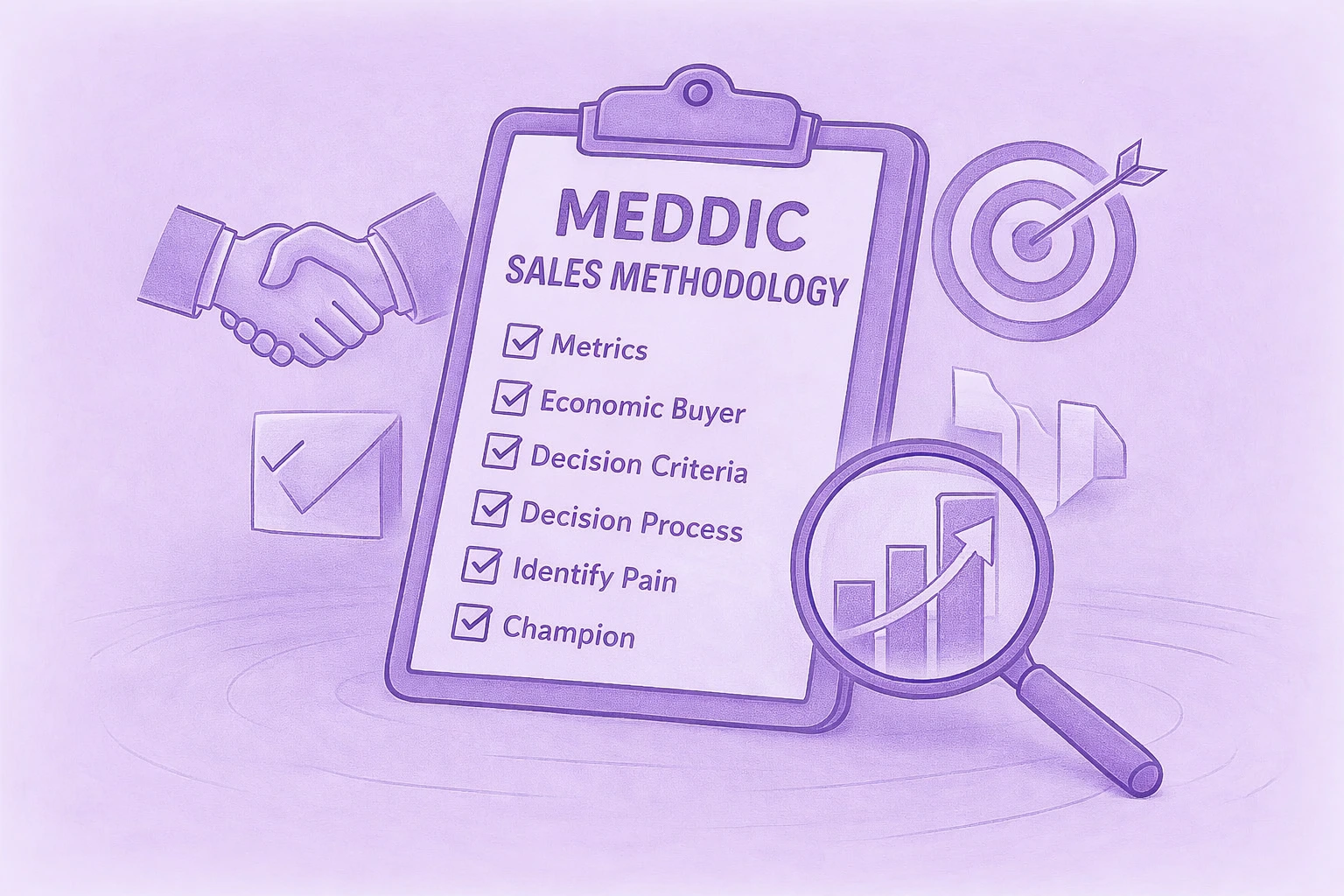
Um guia completo da metodologia de vendas do MEDDIC
Descubra as vendas da MEDDIC, como elas ajudam a qualificar leads, entender os processos de decisão e melhorar as taxas de vitória em ciclos complexos de vendas B2B.
Como escrever uma mensagem de ausência temporária
Aprenda a escrever uma mensagem clara de ausência temporária, o que incluir e a usar exemplos prontos para copiar em qualquer situação.
.webp)
Como cancelar sua assinatura do Zoom em 2026
Precisa cancelar sua assinatura do Zoom? Este guia explica exatamente como fazer isso no site da Zoom, na Apple App Store ou no Google Play, o que acontece após o cancelamento e como evitar cobranças extras.
MeetGeek vs Fellow: Comparação de notas de reuniões, agendas e automação
Comparando MeetGeek com Fellow? Veja como suas notas de reuniões, agendas, gravações e recursos de automação de IA diferem para encontrar a melhor opção para sua equipe.
Como gravar tela no Mac (com áudio, som do sistema e dicas profissionais)
Aprenda a gravar a tela no Mac usando ferramentas integradas, capturar áudio corretamente e ver quando o MeetGeek é a opção mais inteligente.
MeetGeek vs Krisp: Qual assistente de reunião de IA é ideal para sua equipe?
Comparação entre MeetGeek e Krisp: notas de IA, cancelamento de ruído, preços, integrações e recursos de gravação explicados com clareza.
Dicas de videoconferência para realizar reuniões virtuais bem-sucedidas
Aprenda dicas práticas de videoconferência que melhoram a qualidade, o engajamento e o acompanhamento do áudio e ajudam as equipes a se manterem alinhadas após as reuniões virtuais.
Webex vs Zoom: Qual plataforma de videoconferência se adapta melhor às suas reuniões?
Uma comparação clara entre Webex e Zoom, desde recursos e preços até segurança e integrações.
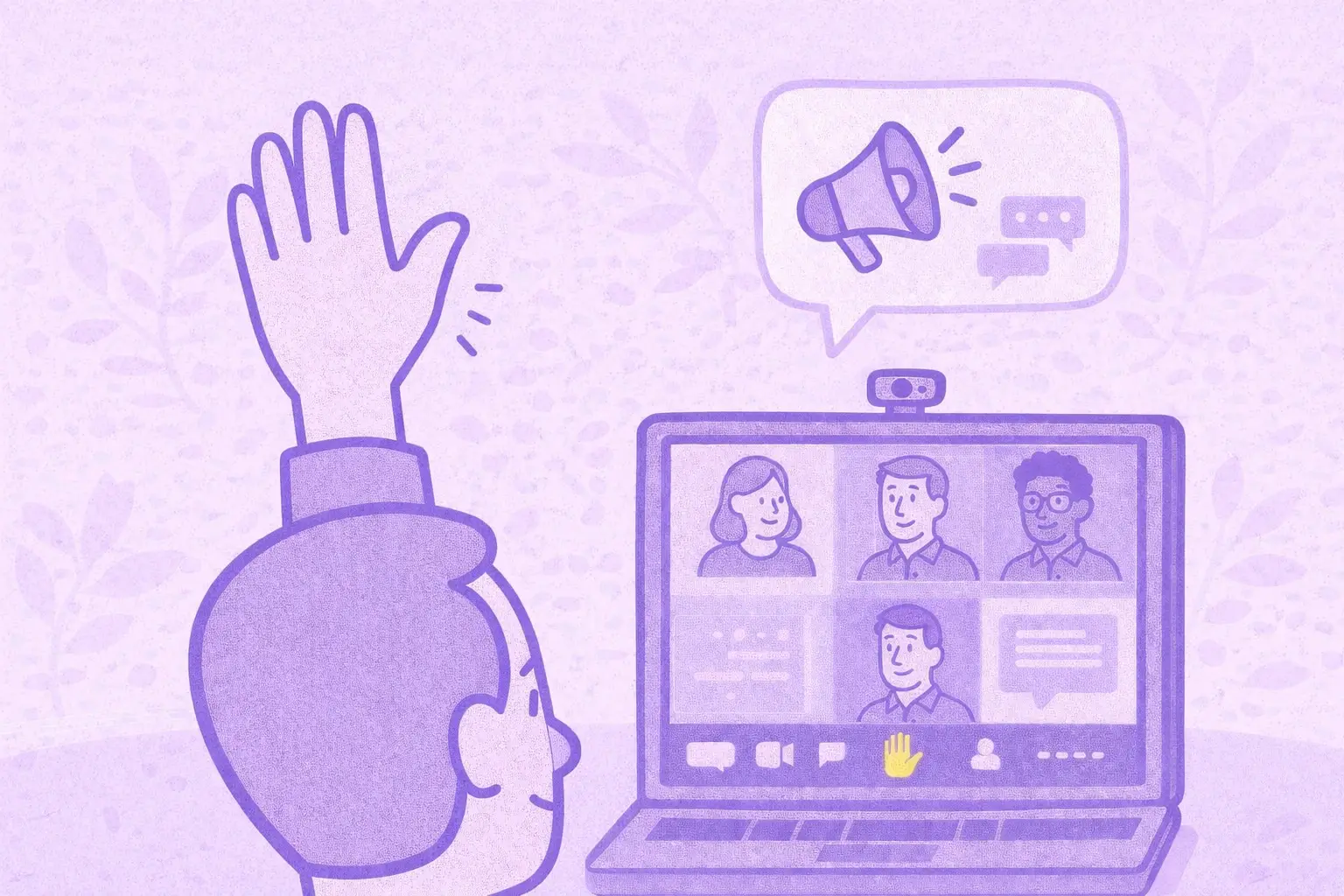
Como levantar a mão no Zoom e realmente ser ouvido
Saiba como levantar a mão no Zoom em qualquer dispositivo, evitar interrupções e manter as reuniões organizadas do início ao fim.
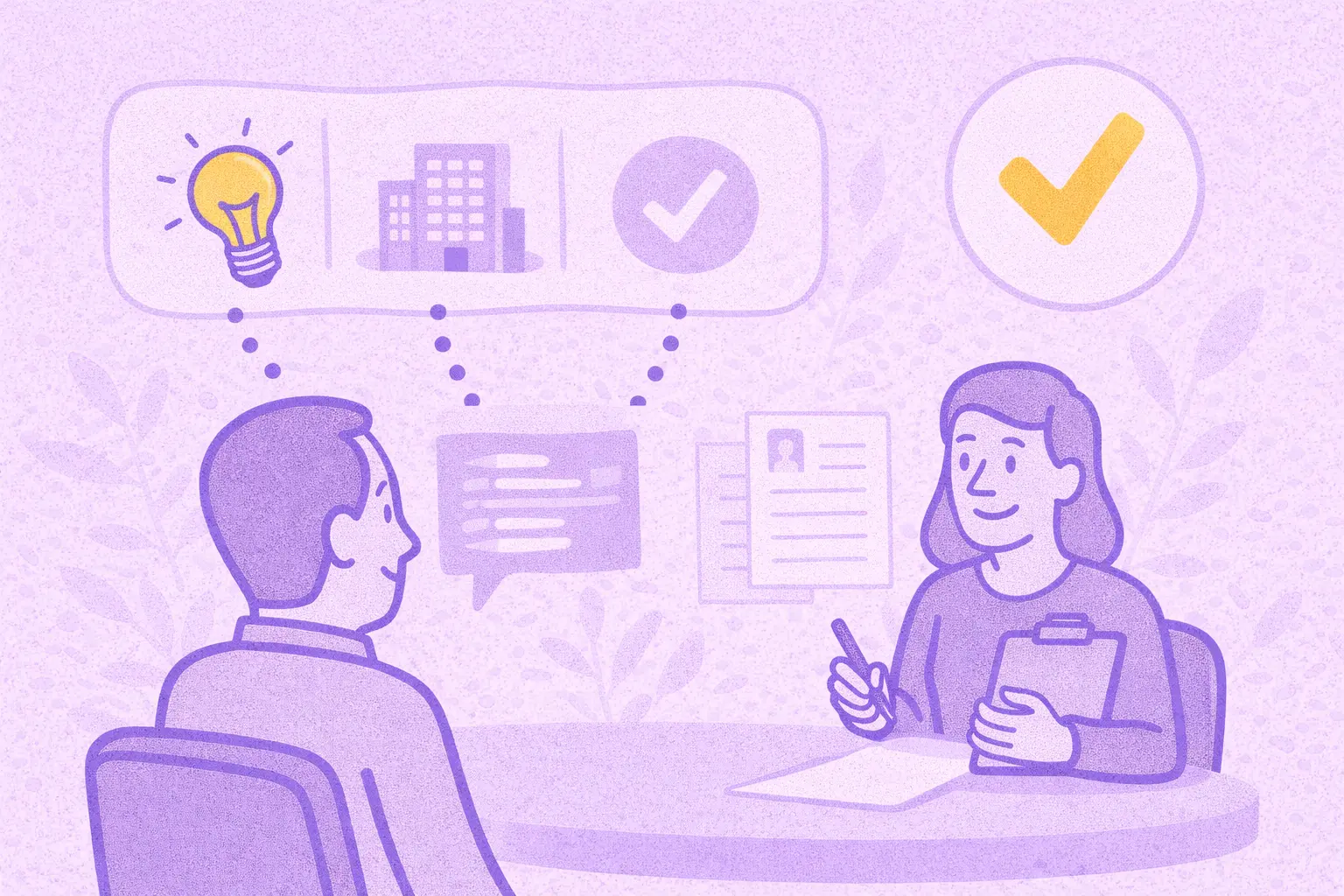
Boas perguntas para fazer em uma entrevista que ajudam você a fazer a escolha certa
Saiba quais perguntas fazer, quando fazê-las e como usar entrevistas para decidir se uma função, uma equipe e uma empresa são realmente adequadas para você.

O que é o Modo Companion no Google Meet? Tudo o que você precisa saber
Continue lendo para obter um guia prático sobre como usar o Modo Companion no Google Meet para reuniões híbridas mais claras e equilibradas.
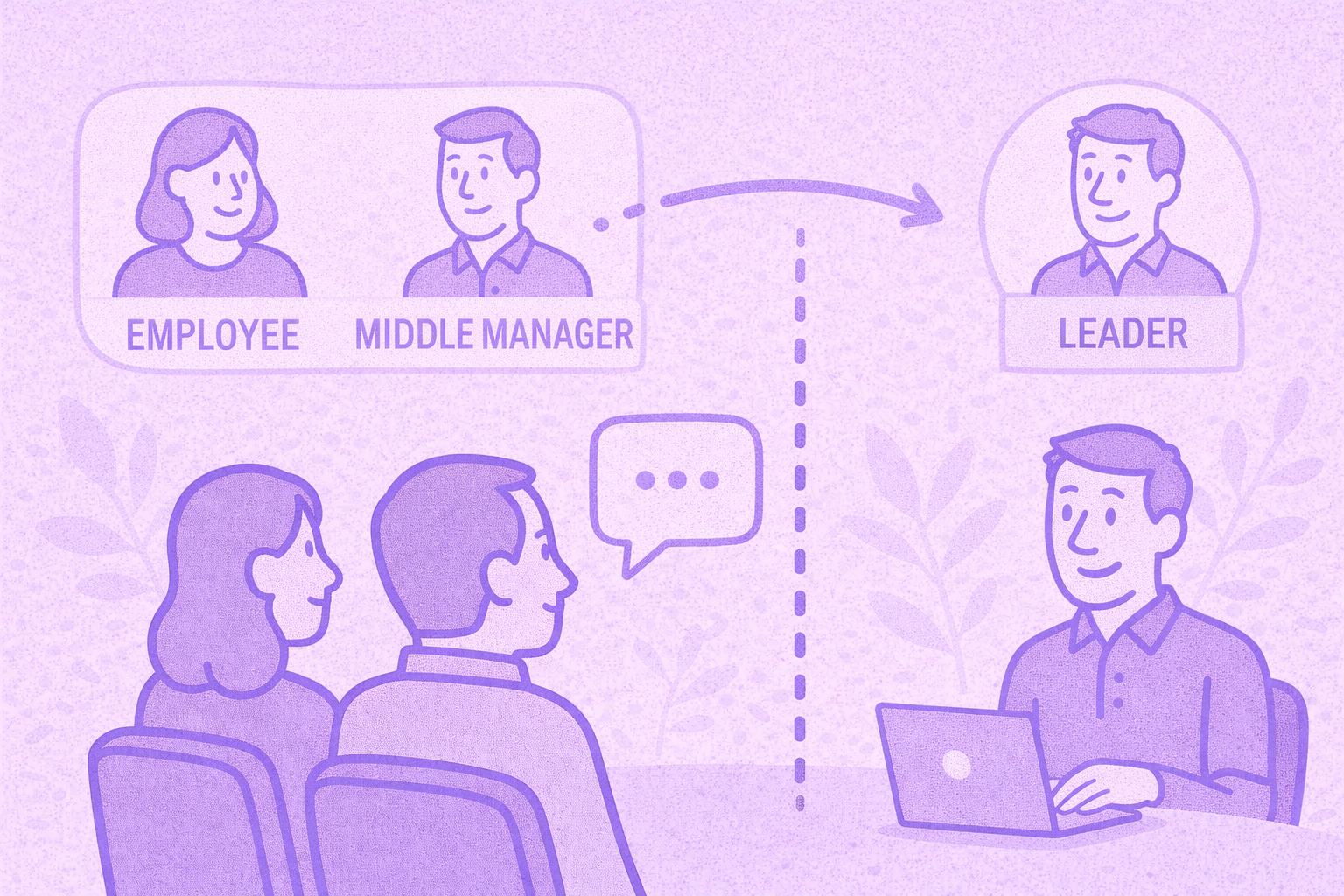
O que é uma reunião skip level? Como os líderes usam o pular de nível para melhorar a comunicação
Uma análise aprofundada das reuniões presenciais e de como elas ajudam os líderes a se conectarem com as equipes e obterem uma visão real.

O que é um Agente de Voz de IA? Um guia prático de como a IA de voz realmente funciona
Este guia explica o que é um agente de voz de IA, como ele funciona, os benefícios que ele oferece e onde ele se encaixa melhor com equipes humanas.

Guia de reuniões stand-up: o que são e como administrá-las
Descubra o que torna uma reunião presencial realmente útil. Este guia explica como fazer stand-ups diários que permaneçam curtos, bloqueiem a superfície e mantenham as equipes alinhadas.
Tudo sobre o Microsoft Teams AI Interpreter + Como ir além da tradução
Descubra como o Microsoft Teams AI Interpreter funciona, onde ele é insuficiente e como ir além da tradução.
Melhor aplicativo de gravação de palestras em 2026:5 ferramentas que os alunos realmente usam
Vamos analisar em profundidade o que os alunos estão usando hoje em dia para gravar e organizar suas palestras, tanto online quanto offline.

Explicação do preço da Read AI para 2026: Valerá a pena para anotação de reuniões
Explore os preços de 2026 da Read AI, seus principais recursos e como ela lida com notas de reuniões, transcrições e insights para apoiar equipes modernas.

O que é uma base de conhecimento pesquisável e como ela funciona?
Explore como as bases de conhecimento pesquisáveis melhoram o acesso às informações e veja como o MeetGeek transforma suas reuniões em um centro de conhecimento rápido e confiável.

Como desfocar o fundo no Google Meet (guia simples para todos os dispositivos)
Descubra como desfocar seu plano de fundo no Google Meet em computadores e dispositivos móveis, usar efeitos visuais e obter uma aparência mais limpa e focada em cada chamada.
Como participar de reuniões do Teams com código: um guia passo a passo completo
Descubra como participar de reuniões do Microsoft Teams usando um código de reunião, além de outras opções, como um link ou convite. Este guia explica cada método de forma clara e passo a passo.

5 melhores alternativas do NoteGPT em 2026
Explore as 5 principais alternativas do NoteGPT que ajudam você a capturar insights importantes, transcrever conteúdo e aumentar a produtividade em fluxos de trabalho profissionais e de aprendizado.
O que é Perplexity AI? Um guia para o mecanismo de pesquisa baseado em IA que transforma a forma como encontramos informações
Neste artigo, examinaremos de perto o Perplexity AI, o que ele pode fazer por você em comparação com os mecanismos de pesquisa tradicionais e alguns de seus prós e contras.
As melhores alternativas ao tl;dv para agilizar suas reuniões
Descubra as principais alternativas ao tl; dv e explore e compare seus recursos para escolher a ferramenta de reunião de IA certa para sua organização.
Modo de gravação ChatGPT vs MeetGeek: aqui está tudo o que você precisa saber
Quer saber como o gravador ChatGPT se compara ao MeetGeek? Analisamos os recursos, a integração e a segurança de dados para gravar reuniões.
Preços da Fathom AI 2026: ainda vale a pena para equipes modernas?
Explore os preços da Fathom AI para 2026, incluindo recursos, limites e comparações de planos, além de como o MeetGeek oferece mais flexibilidade para equipes.
Agentes de reuniões de IA: como a IA autônoma está transformando o futuro do trabalho
Descubra como os agentes de reuniões com inteligência artificial estão redefinindo o futuro do trabalho, gerenciando agendamentos, acompanhamentos e até mesmo falando em seu nome para economizar tempo e transformar cada reunião em ação real.
Análise do Notta AI: Essa ferramenta de transcrição de IA vale a pena em 2026?
Leia esta análise aprofundada do Notta AI para ver se ele transcreve bem reuniões, lida com vários idiomas e fornece resumos de IA, além de onde é insuficiente em comparação com assistentes de reunião mais inteligentes.
Essas 4 ferramentas de IA para organizações sem fins lucrativos farão com que cada hora conte
Torne sua organização sem fins lucrativos mais eficiente com ferramentas de IA que reduzem o tempo administrativo, melhoram a colaboração e maximizam cada hora de impacto.
Alternativas do Granola AI Notes: as melhores opções para experimentar em 2026
Explore as melhores alternativas do Granola AI Notes para 2026 com ferramentas mais inteligentes que vão além da transcrição, oferecendo automação, insights e colaboração.
E-mail de follow-up após a entrevista: como escrevê-lo, quando enviá-lo e o que dizer
Descubra como escrever um e-mail de acompanhamento eficaz após uma entrevista. Do tempo e dos modelos ao tom e à estrutura, este guia aborda tudo o que você precisa para se destacar e se manter memorável.
Análise de preços da Tactiq 2026: planos, limites e a melhor alternativa
Explore os planos de preços mais recentes da Tactiq e descubra como eles se comparam ao assistente de reuniões tudo-em-um do MeetGeek.

Significado da reunião ad hoc e como organizá-la
Descubra o verdadeiro significado de uma reunião ad hoc e aprenda como tornar as discussões espontâneas mais focadas e eficazes. Descubra quando mantê-los e gerenciá-los.
Etiqueta de reunião virtual: 15 regras essenciais para videochamadas profissionais
Descubra 15 regras e dicas essenciais de etiqueta para reuniões virtuais que mantêm as conversas focadas, profissionais e envolventes.

Como desfocar o fundo no Zoom: guia passo a passo
Descubra como usar o recurso de desfoque de fundo do Zoom para privacidade e foco, além de dicas, correções e quando mudar para planos de fundo virtuais.
Como compartilhar a tela no Google Meet: um guia passo a passo simples
Saiba como compartilhar sua tela no Google Meet com etapas claras para computador, iPhone, iPad e Android.
Explicação do servidor MCP da MeetGeek: Como ele permite que assistentes de IA transformem reuniões
Veja como o servidor MCP da MeetGeek ajuda os assistentes de IA a transformar suas reuniões em insights inteligentes e acionáveis, tudo a partir de sua máquina local.

Como alterar o nome no Zoom (antes e depois de entrar em uma reunião)
Saiba como alterar o nome do Zoom passo a passo em qualquer dispositivo, além de dicas para anfitriões, salas de espera e solução de problemas.
IA para tomar notas para estudantes: as melhores ferramentas para estudar de forma mais inteligente em 2026
Um guia das melhores ferramentas de IA para fazer anotações para estudantes em 2026, com recursos, prós e contras para ajudar você a escolher o aplicativo certo para aprender.
Análise de preço do Descript em 2026: o que ela oferece, onde fica aquém e uma alternativa melhor
Uma análise mais detalhada dos níveis de preços do Descript, suas vantagens e desvantagens e por que o MeetGeek se destaca como uma escolha mais inteligente para criadores.
Limite de tempo do Google Meet: tudo o que você precisa saber
Neste artigo, você aprenderá tudo o que precisa saber sobre os limites de tempo do Google Meet e como ultrapassá-los.

Como transcrever memorandos de voz para texto (3 maneiras diferentes)
Neste artigo, você aprenderá a transcrever mensagens de voz de três maneiras diferentes, pesando os prós e os contras de cada opção.
Melhores alternativas de ClickUp para anotações com IA
Conheça as 5 melhores alternativas do ClickUp se quiser ir além da simples tomada de notas com IA e encontrar um assistente de reuniões abrangente.
O que é um resumo objetivo? Definição, exemplos e dicas
Resumos objetivos são essenciais quando você precisa de informações importantes de reuniões longas. Vamos discutir tudo sobre eles neste artigo!

Como gravar um Google Meet: todas as opções explicadas
Neste artigo, detalhamos como gravar um Google Meet de forma nativa e com a ajuda de ferramentas de terceiros, como o MeetGeek.

Os 7 melhores aplicativos para anotações de reuniões do momento
Procurando o melhor aplicativo de anotações de reuniões para sua equipe? Analisamos os recursos, prós e contras dos 7 melhores no momento.
Como gravar um webinar do Zoom como anfitrião ou participante (2 métodos)
Neste artigo, analisaremos como gravar um webinar do Zoom como anfitrião ou participante usando a ferramenta integrada de gravação e de terceiros da Zoom com transcrição de IA.
7 melhores extensões do Chrome para vendedores
Neste artigo, exploraremos as melhores extensões do Chrome para representantes de vendas, com foco em ferramentas que melhoram a inteligência de reuniões, se integram aos CRMs e otimizam a produtividade.

As melhores extensões e ferramentas de captura de áudio do Chrome em 2026 [Comparação]
Vamos nos aprofundar em uma variedade de opções, desde gravadores básicos até plataformas avançadas que oferecem transcrição, resumos e integrações perfeitas.

7 melhores extensões de fala para texto do Chrome: comparação e recursos
Este guia detalha as 8 principais extensões de fala para texto do Chrome para 2025, analisando seus principais recursos, preços e casos de uso ideais para ajudar você a tomar uma decisão informada.

A sobrecarga de reuniões não é o problema real - é um design ruim de reuniões
Quando a sobrecarga de reuniões se torna óbvia, há algumas pequenas mudanças que podem transformar toda a sua cultura de reuniões.

O melhor software de inteligência conversacional para coaching e análise de reuniões em 2026
Ao aproveitar a IA, essas plataformas de inteligência conversacional fornecem a análise necessária para refinar as propostas de vendas ou de investidores, melhorar o treinamento e influenciar a receita.

Como adicionar notas de reunião ao Google Docs [3 maneiras fáceis]
Vamos explorar três maneiras de adicionar suas notas de reunião ao Google Docs, manual ou automaticamente.

Encontre a melhor alternativa ao Zoom em 2026
Procurando uma alternativa ao Zoom? Confira as melhores opções para 2026 e encontre a opção perfeita para suas reuniões!

Como estender o limite de tempo de Zoom: soluções pagas e gratuitas
Precisa de mais tempo para sua reunião do Zoom? Aprenda a estender facilmente sua sessão com este guia simples.

Como instalar o Microsoft Teams para Mac (guia para iniciantes)
Configurar o Microsoft Teams no Mac é fácil! Siga nosso guia rápido para começar a colaborar sem problemas.
Como Gravar Chamadas do WhatsApp: 5 Métodos para Qualquer Dispositivo (2026)
Descubra a maneira mais fácil de gravar chamadas do WhatsApp com nossas instruções claras e passo a passo.

As 5 principais integrações para assistentes de reuniões de IA em 2026
Quer aumentar a produtividade de suas reuniões? Explore as principais integrações de IA de assistentes de reuniões de 2026 que se conectam perfeitamente às suas ferramentas e aplicativos favoritos.

7 maneiras pelas quais os assistentes de reunião de IA economizam tempo para as equipes de vendas em 2026
Saiba como os assistentes de reuniões com inteligência artificial transformam a produtividade de vendas em 2026, eliminando tarefas manuais, simplificando fluxos de trabalho e permitindo que os representantes se concentrem nas vendas.

Explicação e alternativas de todos os planos de preços da Zoom
Obtenha uma análise clara de todos os planos de preços da Zoom, além de dicas inteligentes para salvar ou usar recursos gratuitamente.
Posso fazer uma captura de tela no Teams? Suas perguntas, respondidas
Quer saber como fazer uma captura de tela no Teams? Analisamos o que funciona, o que não funciona e o que devemos observar.

Preços e planos do Google Meet, simplificados
Encontre o plano certo do Google Meet para sua equipe com nossas dicas claras e inteligentes de economia de custos.
Onde as gravações do Teams são armazenadas? Todos os locais, explicados
Quer saber onde suas gravações do Microsoft Teams vão parar? Aqui estão todas as opções de armazenamento claramente explicadas.

A Semana de Trabalho de 4 Dias: Como as Empresas estão Vencendo a Guerra de Talentos
Por que trabalhar menos pode ser a decisão mais inteligente para empresas que buscam produtividade, inovação e retenção de talentos.
Encontre o melhor aplicativo de fala para texto para trabalho em 2026 (gratuito e pago)
Procurando um aplicativo de voz para texto em 2026? Reunimos as principais opções para aumentar a produtividade e economizar tempo no trabalho.

Gerenciando riscos de segurança e conformidade relacionados aos tomadores de notas com IA
Mantenha suas reuniões baseadas em IA seguras e compatíveis! Saiba como gerenciar riscos de segurança e conformidade, proteger dados confidenciais e garantir a privacidade em suas reuniões virtuais.

Como escrever um e-mail de acompanhamento para uma reunião de negócios + modelos e instruções do ChatGPT
Aprenda a escrever acompanhamentos claros e profissionais de reuniões de negócios com modelos e instruções do ChatGPT para economizar tempo e impulsionar as respostas.
Como usar o Microsoft Teams AI para reuniões
Saiba como automatizar notas, aprimorar a colaboração e tornar as reuniões do Teams mais produtivas com recursos baseados em IA.

Como reservar minutos para uma reunião como um profissional [+ Modelo personalizável gratuito]
Faça sempre atas de reuniões perfeitas! Aprenda dicas de especialistas para capturar pontos-chave, rastrear itens de ação e impressionar sua equipe com habilidades profissionais de anotações.

Os 5 A's da comunicação eficaz: um guia de startups para uma melhor colaboração em equipe
O sucesso de uma startup não tem a ver apenas com ótimas ideias, mas com o quão bem sua equipe se comunica. Descubra a estrutura dos 5 A para melhorar a colaboração, reduzir o atrito e transformar conversas em ações.
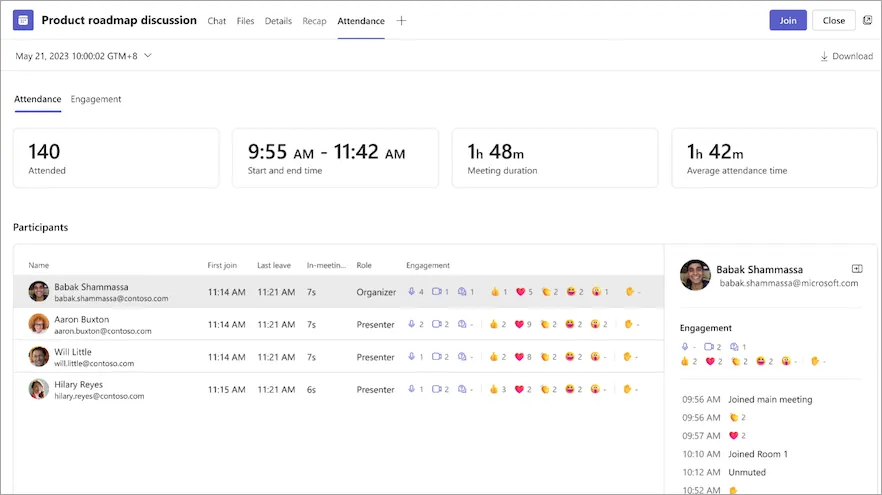
Relatório de participação em reuniões de Teams: O que é e como usá-lo
Desmistifique o relatório de presença em reuniões de Teams! Saiba como acessá-lo, interpretá-lo e aproveitá-lo para monitorar o engajamento e melhorar suas reuniões virtuais sem esforço.

Como criar e usar o Google Meet Breakout Rooms
Domine as salas de descanso do Google Meet! Aprenda a criá-los, gerenciá-los e usá-los para promover a colaboração e o engajamento em suas reuniões virtuais.

Como se gravar no Zoom, passo a passo
Domine a arte de gravar no Zoom com nosso guia simples. Aprenda a capturar suas reuniões ou anotações pessoais sem esforço.

Mais de 30 KPIs de vendas a serem monitorados em 2026
Descubra os segredos do sucesso de vendas em 2026 com este guia de mais de 30 KPIs de vendas essenciais. Saiba o que acompanhar para impulsionar o desempenho e o crescimento da receita da sua equipe.
Como criar uma transcrição do Zoom: 2 maneiras
Descubra como criar transcrições do Zoom sem esforço com nosso guia sobre dois métodos simples, perfeitos para capturar todos os principais pontos de discussão.

Encontre o modelo perfeito de avaliação de desempenho de funcionários
Descubra os melhores modelos de avaliação de desempenho de funcionários para agilizar seu processo de avaliação e aumentar a produtividade no local de trabalho.

As 60 melhores citações motivacionais de vendas para sua equipe de vendas em 2026
Procurando motivação para vendas? Encontre as melhores cotações de vendas para 2026 para capacitar sua equipe, incentivar uma mentalidade positiva e manter todos focados em atingir as metas.
Como lidar profissionalmente com qualquer conflito de horário
Aprenda a lidar com conflitos de agenda profissionalmente. Este guia oferece dicas práticas para gerenciar sobreposições, reagendar reuniões e manter relacionamentos fortes.

Guia Fácil para Instalar o Zoom para Windows
Novo no Zoom? Siga este guia simples para instalar o Zoom em seu computador Windows. Prepare-se rapidamente e comece a participar de reuniões com facilidade. Perfeito para iniciantes.
Como Gerar Notas de Reunião com ChatGPT [+ Prompts Gratuitos para ChatGPT]
Descubra etapas simples para gerar notas de reunião com o ChatGPT. Siga este guia para capturar pontos-chave, itens de ação e muito mais para obter registros de reuniões organizados e eficientes.
7 Melhores Alternativas ao Loom em 2026
Descubra as 7 melhores alternativas de Loom em 2024. Encontre as melhores ferramentas para mensagens de vídeo e colaboração em equipe.
.webp)
Zoom vs Microsoft Teams: Qual Escolher em 2026
Descubra o que é melhor para você em 2024: Zoom ou Microsoft Teams? Compare os recursos e faça a melhor escolha para suas necessidades!
Consiga mais compromissos com os códigos QR de uma reunião
Leia este manual para saber tudo sobre como encontrar códigos QR. Mergulhe em seus casos de uso práticos, benefícios e instruções passo a passo para criá-los de acordo com suas necessidades.

Fireflies vs Otter: Qual é o Melhor
Compare o Fireflies.AI e o Otter.AI para descobrir qual ferramenta de transcrição de reuniões atende melhor às suas necessidades. Explore recursos, preços e muito mais para fazer a escolha certa!
Como Aproveitar ao Máximo o Zoom AI Companion Como seu Assistente de Reuniões de IA
Aprenda a usar os recursos do Zoom AI Companion para aprimorar suas reuniões, economizar tempo e aumentar a produtividade com recursos e dicas úteis para um fluxo de trabalho mais tranquilo.

Como Usar o Google Meet AI Note-Taker
Saiba como aproveitar ao máximo o tomador de notas de IA do Google Meet para capturar automaticamente os detalhes da reunião, manter-se organizado e economizar tempo em acompanhamentos e resumos!

9 Dicas para Alcançar a Máxima Produtividade em Reuniões
Você está cansado de ficar preso em um ciclo interminável de reuniões improdutivas? Siga nossas 9 dicas para ajudar você a alcançar a máxima produtividade nas reuniões!

Para Onde Vão as Gravações de Zoom? Um Guia para Facilitar o Acesso
Descubra onde suas gravações do Zoom estão armazenadas com este guia fácil. Aprenda a localizar, acessar e gerenciar suas reuniões gravadas em apenas algumas etapas simples.

O Que é Inteligência de Conversação e Por Que Você Precisa Dela
Saiba como a inteligência de conversação pode mudar a forma como você faz negócios e quais ferramentas procurar lendo este artigo!
.webp)
Os 10 Tipos Mais Eficazes de Tirar Anotações
Revelando os 10 principais métodos de anotações para aumentar sua produtividade. Não perca essas estratégias revolucionárias!