


A Zoom meeting ID is the 10 or 11-digit number that identifies a single Zoom meeting, and typing it into the Zoom Workplace app or at zoom.us/join is how you get into a call when you do not have the invite link. Most meetings also need a passcode, or they park you in a waiting room, so the number alone is rarely the whole story.
Picture the call starting in 2 minutes and the only thing in your inbox being a string of digits. This guide covers where that number lives, what the passcode does, and how to get in from a phone, a desktop, a browser, or a landline.
What Is a Zoom Meeting ID?
Zoom creates the number the moment a meeting exists, and it is what the Workplace app, a browser and a dial-in line all look up to reach that specific call. Zoom's documentation on meeting and webinar IDs puts the length at 10 or 11 digits. The 9-digit IDs still quoted in older guides are legacy, and Zoom no longer issues them.
Personal Meeting ID vs Generated Meeting ID
- Personal Meeting ID (PMI) is a permanent 10-digit number attached to your account, closer to a personal room than to a single meeting. A custom PMI has to be 10 digits and start with a digit from 2 to 9. Free Basic accounts can use a PMI, but changing it to a custom number requires a licensed user on a Business, Education, or Enterprise plan.
- Generated meeting IDs are 11 digits and are created fresh every time you schedule a meeting or start one on the spot. Each one belongs to that meeting only, which is why Zoom recommends them over your PMI for anything other than regular one-on-ones.
The difference that catches people out is how long each number stays alive.
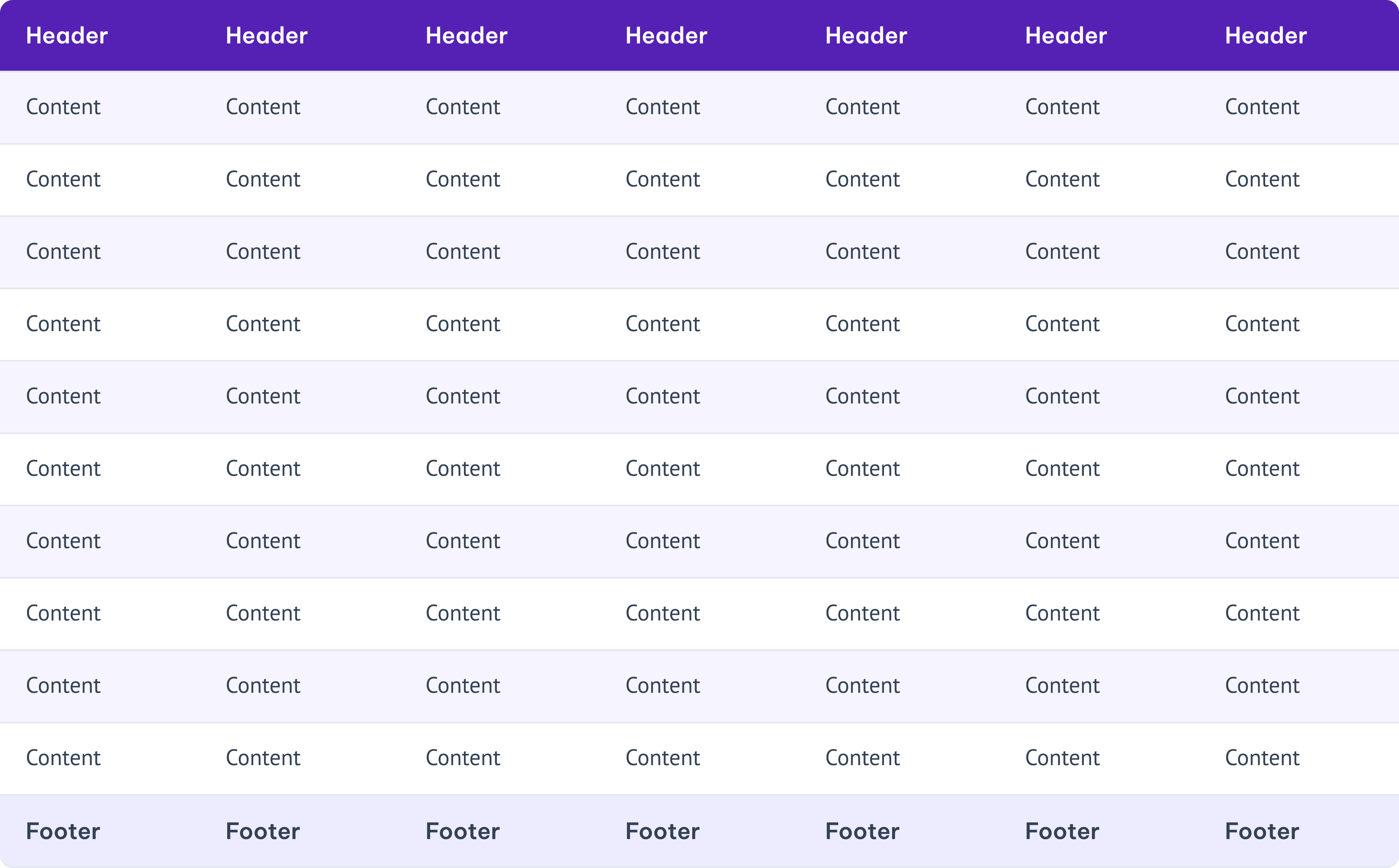
| Meeting ID Type | Digits | When It Stops Working |
|---|---|---|
| Personal Meeting ID (PMI) | 10 | After 365 days without use |
| Instant meeting | 11 | The moment the host ends the call |
| Scheduled meeting, one time | 11 | 30 days after the scheduled date, and the clock resets each time the meeting is reused |
| Recurring meeting | 11 | 365 days after the last occurrence |
Table last updated: August 7, 2026.
Where Do You Find Your Zoom Meeting ID?
Before the meeting, open the Zoom Workplace app, go to the Meetings or Calendar tab, select the meeting, and click View join info. That panel shows the meeting ID, the passcode, and the invite link together.
Once the meeting has started, the ID is not printed across the top of the window. On desktop, click the meeting information icon in the top-left corner. On mobile, tap the meeting name at the top of the screen. Hosts and participants follow the same path.
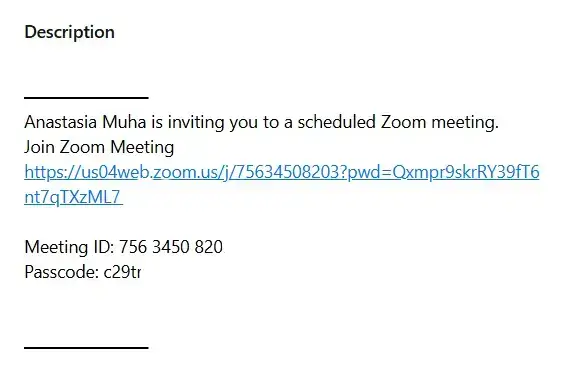
If all you have is an invite URL, the digits after /j/ are the meeting ID.
Do You Need a Passcode to Join With a Meeting ID?
Usually yes, and where there is no passcode there is a waiting room. Since September 2022 Zoom has required every meeting to carry a passcode or a waiting room, with free accounts under that rule since September 27, 2020. If a host sets neither, Zoom turns on the waiting room automatically.
So one of 3 things happens after you enter the ID:
- The meeting has a passcode. Type it and you are in.
- The meeting has a waiting room. You wait until the host admits you.
- You clicked the invite link instead. The link carries an encrypted passcode, so the prompt never appears, and our guide on how to join a Zoom meeting from any device covers that route.
The passcode travels with the invitation, in the same email or calendar entry as the ID. If you have the number but not the passcode, the host has to send it or let you in manually.
How to Join a Zoom Meeting With a Meeting ID
Enter the meeting ID in the Zoom Workplace app, at join.zoom.us, or on a dial-in line, then supply the passcode when prompted. The 6 routes below cover every device.
On Mobile
- Install Zoom Workplace from the App Store (iOS) or Google Play (Android).
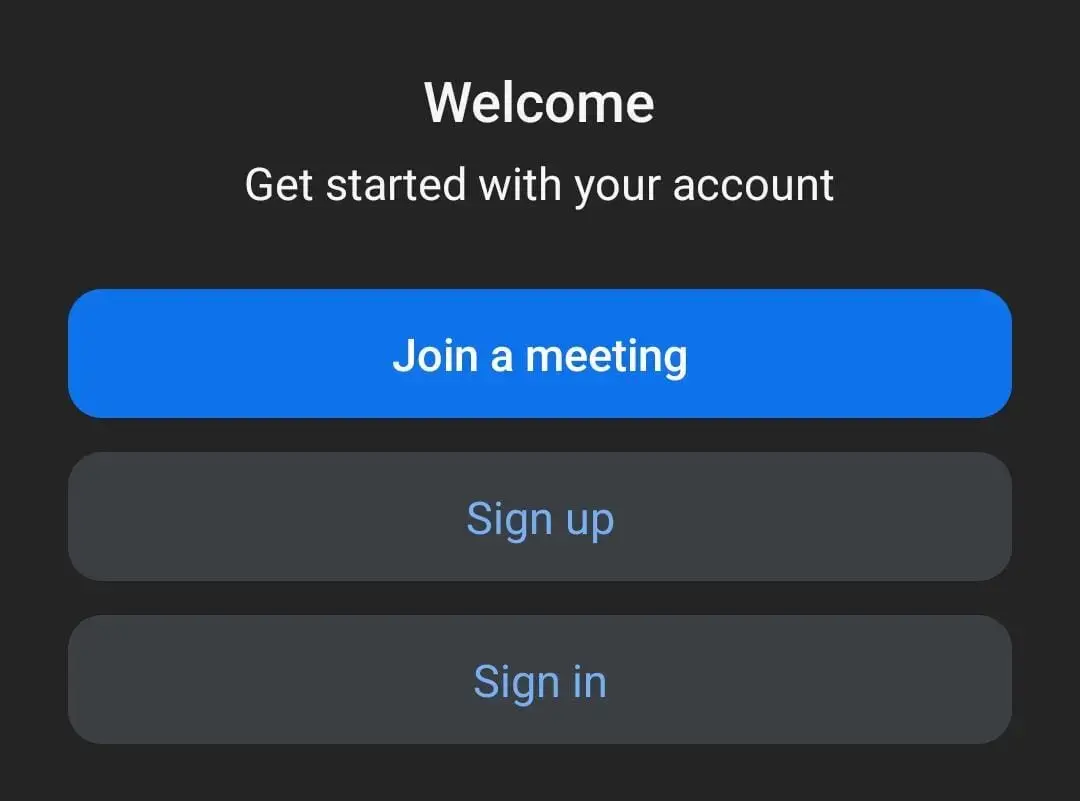
- Open the app and tap Join a Meeting.
- Enter the meeting ID and your display name.
- Choose your audio and video settings, then tap Join.
- Enter the passcode if Zoom asks for one.

On Desktop
- Open the Zoom Workplace desktop app.
- Select Join.

- Enter the meeting ID and your name.
- Choose your audio and video settings.
- Click Join, then enter the passcode if prompted.

In a Web Browser
- Go to join.zoom.us, which redirects to zoom.us/join.
- Enter the meeting ID and click Join.

- If the app-launch prompt appears, click Cancel.
- Select Join from Your Browser.
- Allow microphone and camera access, enter your name, and click Join.
Zoom switched the Join from Your Browser link on by default on February 7, 2026. If it is missing, an administrator disabled the setting, or the host has end-to-end encryption turned on.
By Phone
- Dial one of the Zoom numbers listed in the invitation.
- Enter the meeting ID followed by #.
- Press # again to skip the participant ID.
- Enter the passcode followed by # when prompted.
From a Computer With Phone Audio
- Join the meeting on your computer first.
- In the audio window, select Join by Phone.
- Dial the number shown and enter the meeting ID followed by #.
- Enter the participant ID on your screen followed by #, so Zoom links the call to your video.
Through SIP or H.323
H.323 room systems dial [IP address]##[meeting ID]#[passcode]#, for example 192.0.2.0##123456789#12345. SIP systems dial [meeting ID].[passcode]@[IP address], for example 123456789.12345@192.0.2.0. The double hash in the H.323 string is what separates the address from the meeting ID.
What to Do When You Cannot Join a Zoom Meeting
Three things account for most failures.
- The passcode is wrong or missing. Check the invitation again, because the passcode sits directly under the meeting ID. Typing the ID from one meeting and the passcode from another is the most common version of this.
- You are in the waiting room. Nothing is broken. The host has to admit you, and on a large call that can take a minute.
- The meeting ID expired. A one-time scheduled ID stops working 30 days after its date, and an instant meeting ID dies the moment the host ends the call. Ask for a fresh invitation rather than retyping the old number.
Some conflicts are not fixable, and that is a different problem. When 2 meetings land on the same slot, MeetGeek's AI note taker for Zoom joins the call in your place, records it, and files everything in one library, whether or not you are the host. The same mechanism covers how to record a Zoom meeting when you are not the host.
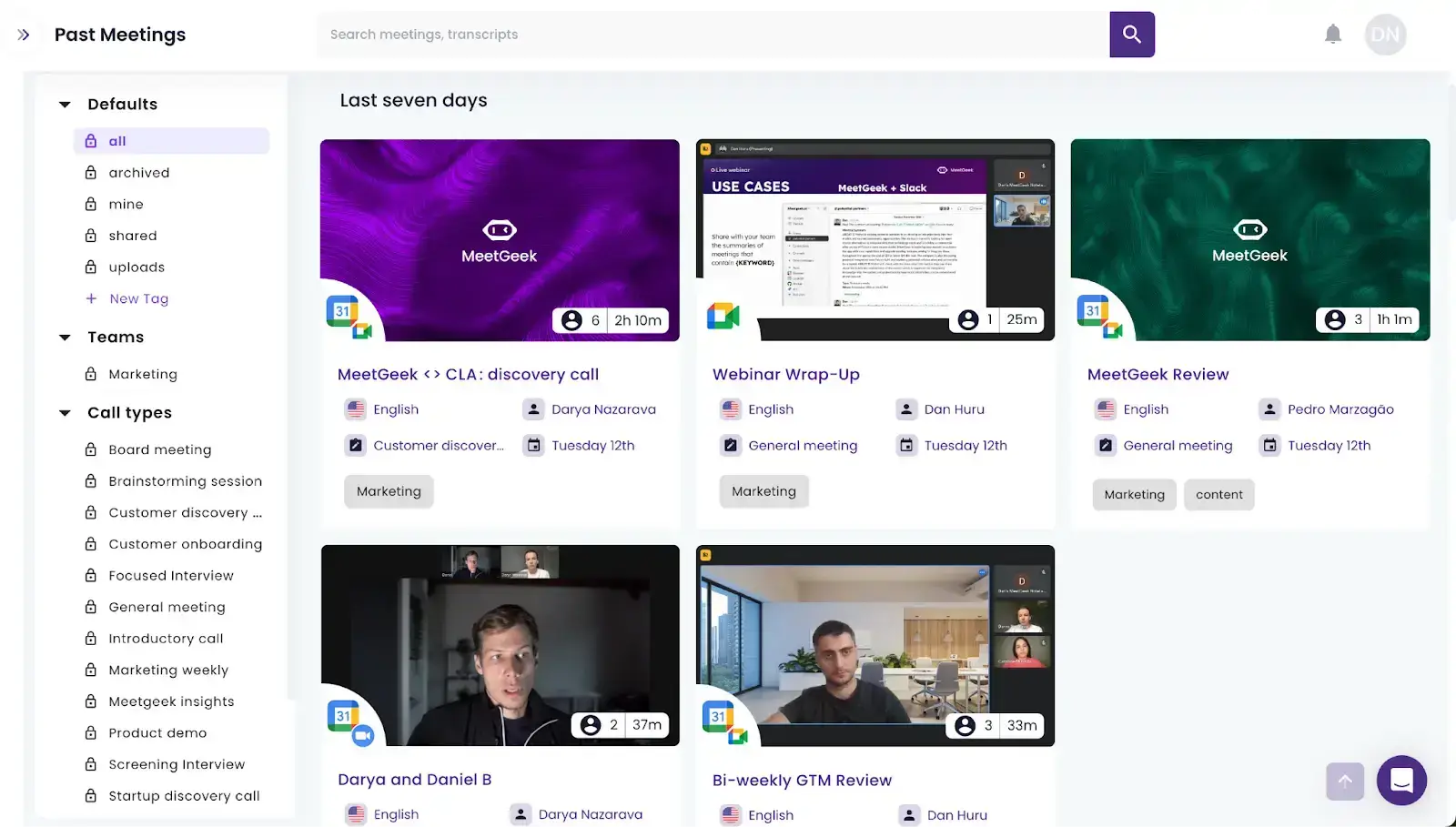
After the call, MeetGeek produces AI meeting notes and a searchable transcript, so you can type a keyword and jump to the exact second it was said instead of scrubbing through an hour of video. Those notes flow into Slack, Notion, and Trello, and the MeetGeek mobile app keeps them with you between calls.

If a double-booked calendar is the reason you are hunting for meeting IDs in the first place, MeetGeek covers the call you cannot attend.
Key Takeaways
- The number is 10 or 11 digits: 10 for a Personal Meeting ID, 11 for a generated one.
- The ID on its own is rarely enough, because every meeting carries a passcode or a waiting room.
- One-time scheduled IDs expire 30 days after the meeting date, and instant IDs expire when the host ends the call.
- You can join with an ID from the Zoom Workplace app, a browser at zoom.us/join, a dial-in number, or a SIP or H.323 system.
- Zoom publishes no directory of public meeting IDs, so lists of random Zoom codes are expired or private.
Frequently Asked Questions
How Do You Create a Zoom Meeting ID?
Sign in to Zoom, click Schedule a Meeting, and Zoom generates an 11-digit ID automatically. You can select your Personal Meeting ID instead if the meeting is a recurring one-on-one. Our walkthrough on how to set up a Zoom meeting covers the rest of the scheduling options.
Can You Join a Zoom Meeting With Just the Meeting ID?
Only when the host set neither a passcode nor a waiting room, which Zoom's security requirement no longer allows by default. In practice you need the passcode as well, or the host has to admit you from the waiting room.
Do You Need a Zoom Account to Join With a Meeting ID?
No. Go to zoom.us/join, enter the meeting ID and passcode, and type a display name. An account is only needed to host a meeting, not to attend one.
Are There Public or Random Zoom Codes to Join?
Zoom publishes no directory of meeting IDs, so the lists of random Zoom codes circulating online are either expired or belong to meetings nobody invited you to. There are 2 legitimate ways into a Zoom call you did not schedule: public events that organizers list through Zoom Events at on.zoom.us/e/view, and Zoom's own test room at zoom.us/test, which is the one you want if you are only checking your camera and microphone. Our Zoom test meeting guide walks through that check.
How Do You Make a Zoom Meeting Link?
Zoom builds the link when you schedule the meeting, following the pattern zoom.us/j/[meeting ID]. The copy-invite panel gives you the full URL with the encrypted passcode already attached, which is why clicking a link skips the passcode prompt.






.avif)