By clicking “Accept All Cookies”, you agree to the storing of cookies on your device to enhance site navigation, analyze site usage, and assist in our marketing efforts. View our Privacy Policy for more information.
MeetGeekBlogExecutive Team: Roles, Structure, and Best Practices
Back to Blog

Executive Team: Roles, Structure, and Best Practices

Productivity
Productivity

Discover the roles, responsibilities, and traits of successful executive teams, plus practical strategies for building stronger leadership.

Melania Ciocianu
June 30, 2026
/
5 min read
Table of content
Get started with MeetGeek AI Meeting Assistant:
📝 AI-powered Meeting Note taker
✅ Free meeting recording & transcription
💬 Automated sharing of insights to other tools.
Sign Up for Free
Share the knowledge with your circle
Copied

TL;DR

  • An executive team is a group of senior leaders responsible for guiding company strategy, operations, and long-term growth.
  • The best executive teams align around a shared vision, clear roles, and effective decision-making.
  • Executive team members bring diverse skills from departments such as finance, marketing, operations, and human resources.
  • High-performing executive teams communicate openly, build trust, and remain focused on company-wide objectives.
  • Strong executive leadership directly impacts innovation, employee engagement, and business success.

What is an executive team?

An executive team is the group of senior leaders responsible for leading an organization at the highest level. These executives oversee major business functions, make strategic decisions, allocate resources, and ensure the company stays focused on its long-term objectives.

While the exact structure varies between organizations, most executive teams include leaders responsible for finance, operations, marketing, human resources, product development, and other critical departments.

The executive leadership team serves as the bridge between strategy and execution. Their responsibility is not only to create a vision for the company but also to ensure departments work together to achieve it.

Who are the executive team members?

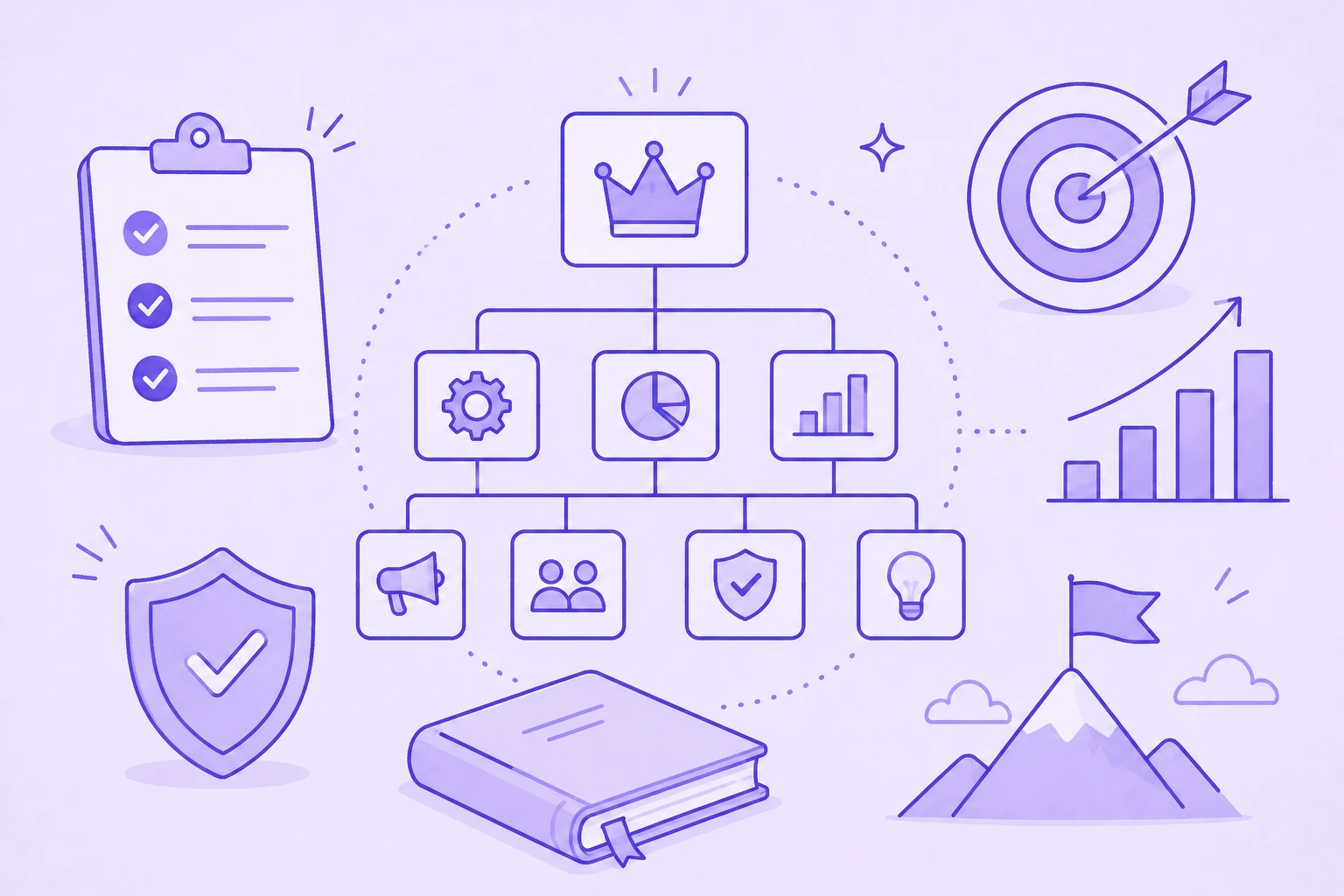
Executive team members typically oversee key business functions and report directly to the CEO.

Common executive roles include:

  • Chief Executive Officer (CEO)
  • Chief Financial Officer (CFO)
  • Chief Operating Officer (COO)
  • Chief Marketing Officer (CMO)
  • Chief Human Resources Officer (CHRO)
  • Chief Technology Officer (CTO)
  • Vice President leaders overseeing major departments

Depending on the organization, other executives may also participate in executive leadership meetings.

Each leadership role contributes unique expertise and perspective. The combination of these diverse skills helps the team evaluate opportunities, manage risks, and make informed decisions.

What does an executive team do?

An executive team is responsible for setting direction and ensuring the organization can achieve its goals.

Typical responsibilities include:

  • Strategic planning: Developing long-term business strategy, identifying growth opportunities, and setting company priorities.
  • Decision-making: Making major decisions related to investments, expansion, hiring, budgets, partnerships, and organizational changes.
  • Financial oversight: Reviewing budgets, forecasts, financial reporting, and performance metrics to support sustainable growth.
  • Organizational leadership: Guiding departments, supporting managers, and helping employees align with company objectives.
  • Resource allocation: Determining how budgets, personnel, and other resources should be distributed across the organization.
  • Culture and people development: Shaping company culture, supporting employee development, and creating an environment where teams can succeed.

Why are executive teams important?

An executive team does more than manage individual departments. It creates the alignment, accountability, and leadership needed for the entire organization to perform effectively. Without strong executive leadership, even talented teams can struggle to execute strategy and achieve long-term objectives.

1. They create alignment across the organization

As companies grow, departments often develop their own priorities, processes, and ways of working. Without a leadership team coordinating these efforts, teams can easily move in different directions.

A strong executive team ensures everyone is working toward the same vision. By aligning goals across departments, leaders help the organization focus on what matters most and avoid competing priorities that slow progress.

2. They improve the quality of major decisions

Important business decisions rarely affect just one department. A new product launch may impact marketing, operations, finance, customer support, and human resources at the same time.

Executive team members bring different perspectives and expertise to the table, allowing leaders to evaluate opportunities and risks more thoroughly. This collaborative approach often leads to better decisions than those made by a single executive or department.

3. They help organizations navigate change

Whether facing economic uncertainty, rapid growth, new competitors, or internal restructuring, companies need leadership that can adapt quickly.

An effective executive team helps the organization respond to challenges with confidence. Instead of reacting independently, leaders can assess the situation together, develop a coordinated strategy, and provide clear direction to employees.

4. They build a stronger leadership culture

Employees often take cues from senior leaders. When executives demonstrate trust, collaboration, accountability, and respect, those behaviors tend to spread throughout the organization.

Highly effective executive teams set the standard for how leaders communicate, solve problems, and work together. Over time, this can create a stronger and more cohesive company culture.

5. They drive long-term business success

Many organizations can achieve short-term results, but sustainable success requires consistent leadership over time.

High-performing executive teams balance immediate business needs with long-term strategic goals. They ensure the company continues investing in innovation, employee development, operational improvements, and future growth opportunities while maintaining day-to-day performance.

When an executive leadership team functions effectively, the positive impact extends far beyond the boardroom. It influences how decisions are made, how employees collaborate, and how successfully the organization achieves its objectives.

A Bain & Company study of 1,250 companies found a strong correlation between business performance leaders and highly effective top leadership teams, suggesting that executive team effectiveness can be a significant driver of long-term organizational success.

How executive teams can stay aligned as organizations grow

Building a high-performing executive team becomes more challenging as an organization grows. More leaders, more departments, and more strategic initiatives create additional complexity, making alignment harder to maintain.

Many executive decisions are made during leadership meetings, board meetings, planning sessions, and cross-functional discussions. Yet important context often gets lost once those meetings end. Leaders may remember decisions differently, action items can become unclear, and valuable institutional knowledge can remain scattered across emails, documents, and personal notes.

This becomes especially problematic when executives need to revisit previous discussions, understand why a decision was made, onboard new leaders, or track progress across multiple initiatives. Without a reliable system for capturing and organizing leadership conversations, organizations risk losing critical knowledge over time.

This is where meeting intelligence platforms like MeetGeek can help. MeetGeek automatically records, transcribes, and summarizes executive meetings, creating a searchable knowledge base of leadership discussions. Instead of relying on fragmented notes or memory, executives can quickly review previous decisions, revisit strategic conversations, track action items, and search across historical meetings for context.

MeetGeek meeting transcription and summary

For executive teams managing complex organizations, the value extends beyond note-taking. A centralized record of leadership discussions helps improve accountability, preserve organizational knowledge, and keep senior leaders aligned even as teams, priorities, and business conditions evolve.

Characteristics of a high-performing executive team

Not all executive teams deliver the same results. Some spend their time reacting to problems, resolving internal conflicts, and managing competing priorities. Others consistently drive growth, execute strategy effectively, and help the organization adapt to change.

While every company is different, the most effective executive teams tend to share several key characteristics.

1. They think beyond their own departments

One of the biggest differences between average and high-performing executive teams is perspective.

Strong executives don't make decisions based solely on what benefits their own function. Instead, they consider the impact on the entire organization. A Chief Marketing Officer, for example, doesn't only focus on marketing goals, while a Chief Human Resources Officer doesn't only focus on people initiatives.

The best executive teams prioritize company-wide success over departmental wins.

2. They embrace healthy disagreement

A highly effective executive team is not a group of leaders who always agree with one another.

In fact, constructive debate is often a sign of strong leadership. Team members challenge assumptions, ask difficult questions, and bring different viewpoints to important discussions. Once a decision is made, however, executives align behind it and move forward together.

This balance between open discussion and unified execution helps organizations make better decisions while maintaining alignment.

3. They build trust before they need it

Trust is one of the most valuable assets an executive team can have.

When trust exists, leaders can have difficult conversations, share concerns openly, and admit mistakes without fear of damaging relationships. This creates a more honest decision-making environment and reduces political behavior that can slow progress.

High-performing teams invest in building trust consistently rather than waiting until a crisis occurs.

4. They stay focused on the future

Many leadership teams become consumed by operational issues and short-term challenges.

While day-to-day execution is important, successful executive teams dedicate significant time to strategic planning, innovation, and long-term growth. They regularly evaluate market changes, competitive threats, emerging opportunities, and future business needs.

This forward-looking approach helps organizations remain competitive and adaptable.

5. They create accountability at every level

Strong executive teams establish clear ownership for priorities, initiatives, and outcomes.

Rather than allowing responsibilities to become unclear, they define expectations, track progress, and hold themselves accountable for results. This accountability often extends throughout the organization, creating a culture where employees understand their roles and contributions.

When accountability starts at the top, execution tends to improve across the business.

6. They communicate with consistency and transparency

Communication is often the factor that determines whether a strategy succeeds or fails.

High-performing executive teams ensure important decisions, priorities, and changes are communicated clearly throughout the organization. They avoid information silos and work to keep leaders, managers, and employees aligned around common objectives.

As a result, teams can move faster, collaborate more effectively, and remain focused on the same goals.

Common challenges executive teams face

Building a strong executive team is difficult because leadership effectiveness depends on more than individual talent. Many organizations have capable executives, but that doesn't automatically translate into a high-performing leadership team.

One of the most common challenges is departmental thinking. Executives are often responsible for specific functions such as finance, marketing, operations, or human resources, and it's natural for them to advocate for their own priorities. Problems arise when leaders focus more on departmental goals than company-wide objectives. This can create competing agendas, resource conflicts, and friction between teams.

Lack of alignment is another frequent obstacle. When leaders have different interpretations of company priorities, decision-making becomes slower and execution becomes less consistent. Teams may work hard, but without a shared direction, progress can feel fragmented and inefficient.

Communication issues can further reduce effectiveness. Important information may not be shared consistently, assumptions go unchallenged, and decisions can become disconnected from the realities of other departments. Over time, these communication gaps often lead to misunderstandings, duplicated work, and missed opportunities.

Many executive teams also struggle with feedback and accountability. In some organizations, leaders avoid difficult conversations so they can maintain harmony. In others, disagreement becomes personal rather than productive. Both situations make it harder to address problems openly and improve performance. Without a culture of trust and constructive feedback, executive teams can find themselves repeating the same mistakes.

Finally, operational demands can pull leaders away from strategic thinking. Executives spend significant time managing day-to-day challenges, but when every meeting focuses on immediate issues, long-term planning often suffers. The most effective executive teams find a balance between solving today's problems and preparing for tomorrow's opportunities.

How to build a highly effective executive team

High-performing executive teams rarely happen by accident. They are built intentionally through careful hiring, clear expectations, strong communication, and ongoing leadership development.

Building a high-performing executive team is harder than it sounds. According to research done by the Center for Creative Leadership, only about 18% of senior executives consider their executive team high-performing, while 65% describe their leadership team as “experiencing this clash between functional and enterprise accountabilities.”

1. Hire for complementary skills, not similar backgrounds

One of the biggest mistakes organizations make is building a leadership team that thinks the same way.

The strongest executive teams bring together leaders with different areas of expertise, experiences, and perspectives. Finance, operations, marketing, product, sales, and human resources leaders all view business challenges through a different lens. This diversity helps executives evaluate opportunities more thoroughly and avoid blind spots during decision-making.

The goal is not simply to assemble talented individuals but to create a leadership team whose combined strengths are greater than the sum of its parts.

2. Define expectations and responsibilities early

Executive teams function best when everyone understands their role within the broader organization.

Leaders should have clearly defined responsibilities, reporting structures, decision-making authority, and performance expectations. When roles are unclear, accountability becomes difficult, and executives may unintentionally duplicate efforts or leave important work unaddressed.

Clear expectations help executives focus on their priorities while understanding how their work contributes to the company's overall objectives.

3. Encourage open discussion and healthy debate

Strong executive teams do not avoid disagreement. In fact, some of the most important business decisions emerge from productive debate.

Leaders should feel comfortable sharing different viewpoints, questioning assumptions, and raising concerns without fear of criticism. When executives openly discuss challenges and alternative approaches, the organization benefits from a wider range of perspectives.

The key is creating an environment where ideas can be challenged while maintaining respect for the people behind them.

4. Build trust intentionally

Trust is the foundation of every high-performing executive team.

Without trust, leaders may withhold information, avoid difficult conversations, or prioritize personal interests over company goals. With trust, executives can communicate honestly, collaborate more effectively, and make decisions with confidence.

Building trust requires consistency over time. Leaders strengthen trust by following through on commitments, being transparent about challenges, admitting mistakes when necessary, and supporting one another during difficult situations.

5. Measure leadership effectiveness

Many organizations carefully track operational and financial performance but spend little time evaluating leadership effectiveness.

Executive teams should establish measurable objectives and regularly assess progress against strategic priorities. This may include business outcomes, organizational goals, employee engagement metrics, or major initiatives tied to company growth.

Tracking performance creates accountability and helps leaders identify areas where the team can improve.

6. Invest in continuous leadership development

Even experienced executives have opportunities to grow.

Business environments evolve constantly, and leadership skills must evolve with them. Coaching, mentoring, executive education, peer learning, and leadership workshops can all help executives strengthen their capabilities and adapt to new challenges.

Organizations that prioritize leadership development are often better equipped to build resilient executive teams that can sustain success over the long term.

By focusing on these six areas, companies can create an executive leadership team that not only manages the business effectively but also drives innovation, alignment, and long-term growth.

Examples of executive team structures

A typical executive team may include:

Role Primary focus
CEO Vision, strategy, overall leadership
CFO Finance, budgeting, financial reporting
COO Operations, execution, efficiency
Chief Marketing Officer Marketing strategy and growth
Chief Human Resources Officer Talent, culture, employee development
CTO Technology and innovation
Vice President leaders Department-specific leadership

Smaller companies may combine responsibilities across fewer executives, while larger enterprises often have specialized leadership positions.

Executive team vs leadership team

The terms executive team and leadership team are often used interchangeably, but they don't always refer to the same group of people.

The executive team typically consists of the organization's highest-ranking leaders, such as the CEO and other C-suite executives. These leaders are responsible for setting company strategy, making major business decisions, and overseeing performance at the highest level.

The leadership team is usually broader. In addition to executives, it may include vice presidents, directors, department heads, and other senior leaders who help translate strategy into execution. While they may not all be involved in company-wide executive decisions, they play an important role in leading teams, managing initiatives, and driving organizational performance.

Think of the executive team as the core strategic decision-making group, while the leadership team includes the wider network of leaders responsible for carrying that strategy throughout the organization. In many companies, the executive team sits at the center of the broader leadership structure, helping align departments around shared goals and priorities.

Conclusion

A strong executive team can be one of the biggest drivers of organizational success.

The best executive teams combine diverse skills, clear roles, trust, accountability, and strategic focus. They work collaboratively, make informed decisions, and keep the organization aligned around common objectives.

As organizations grow, maintaining alignment becomes increasingly difficult. MeetGeek helps executive leadership teams capture discussions, document decisions, track action items, and build a searchable record of organizational knowledge. Try MeetGeek for free and give your executives more time to focus on strategy instead of administrative work.

Key takeaways

  • Executive teams are responsible for guiding company strategy and organizational performance.
  • High-performing executive teams align around shared goals and company-wide objectives.
  • Trust, communication, and constructive feedback are essential leadership traits.
  • Diverse expertise improves decision-making and organizational effectiveness.
  • Meeting documentation and knowledge sharing help executives stay aligned and accountable.

Frequently asked questions

How many people should be on an executive team?

There is no universal ideal size, but most executive teams have between 5 and 12 members. Smaller teams can make decisions more quickly, while larger organizations may require additional executives to represent specialized functions. The goal is to include the leaders responsible for major business areas without making the group too large to operate efficiently.

What is the difference between a management team and an executive team?

A management team typically focuses on executing day-to-day operations, overseeing employees, and delivering departmental results. An executive team operates at a higher level, focusing on company strategy, long-term planning, major investments, and organizational direction. In many organizations, managers report to executives, who in turn report to the CEO or board.

How often should executive teams review their strategy?

Most organizations review strategic priorities quarterly, with more comprehensive planning sessions held annually. However, high-performing executive teams continuously monitor business performance and market conditions throughout the year to determine whether adjustments are needed.

What happens when an executive team is not aligned?

Misalignment at the executive level often leads to conflicting priorities, slower decision-making, communication breakdowns, and reduced organizational effectiveness. Employees may receive mixed messages from leaders, making it harder for teams to focus on common objectives and execute company strategy successfully.

Can a small business have an executive team?

Yes. Executive teams are not limited to large enterprises. Many startups and small businesses have a leadership group that performs executive functions, even if members do not hold traditional C-suite titles. As the business grows, these leadership roles often become more specialized and formally structured.
Article updated on 
June 30, 2026
Share the knowledge with your circle
Copied
Related posts

Executive Team: Roles, Structure, and Best Practices

Discover the roles, responsibilities, and traits of successful executive teams, plus practical strategies for building stronger leadership.

This is some text inside of a div block.

How to Record on Phone: iPhone and Android Guide

Discover how to record phone calls, voice notes, and screen activity on Android and iPhone, with tools, tips, and legal guidance.

This is some text inside of a div block.

What Is a Summary Report? Examples, Templates & Tips

A summary report helps turn complex information into clear insights. Learn the different types, essential sections, examples, and best practices for creating reports that save time and support better decision-making.

This is some text inside of a div block.

Meeting Notes in Claude: What You Can Build and How to Connect

Connect your meeting notes to Claude and turn past calls into answers, finished documents, and multi-step work.

This is some text inside of a div block.

The 6 Best Airgram Alternatives in 2026

Compare the best Airgram alternatives for 2026, including MeetGeek, Fireflies, Otter, tl;dv, Fellow, and Sembly AI.

This is some text inside of a div block.

Meeting Notes in ChatGPT: Benefits, Uses, and Setup

Connect your meeting notes to ChatGPT and turn past calls into instant answers, drafts, and automations, in plain language.

This is some text inside of a div block.

How To Type Faster: 15 Typing Hacks That Work

Want to type faster and make fewer mistakes? Discover practical typing hacks, keyboard shortcuts, and tools that help you work smarter.

This is some text inside of a div block.

10 Best ChatGPT Alternatives For Work In 2026

Looking for a ChatGPT alternative? Compare the top AI tools for research, meetings, writing, coding, search, and productivity in 2026.

This is some text inside of a div block.

9 Best Calendly Alternatives in 2026 (Tested + Compared)

Cal.com, Acuity, Chili Piper, and more — the best Calendly alternatives in 2026, tested and ranked by use case.

This is some text inside of a div block.

8 Best Google Meet Extensions in 2026 (Tested for Productivity)

From AI notes to noise cancellation, here are 8 Chrome extensions that fix what Google Meet doesn’t do natively.

This is some text inside of a div block.

AI Productivity Tools We Actually Use in Sales and Marketing

A practical look at the AI productivity tools we use daily for meetings, content, automation, sales workflows, and teamwork.

This is some text inside of a div block.

Gemini vs. Google Assistant: Full Comparison Guide

Confused about Gemini vs Google Assistant? Learn the key differences, what Google is changing, and which assistant fits you best.

This is some text inside of a div block.

Managing Hybrid Teams in 2026: Common Challenges and How to Overcome Them

Communication gaps, time-zone friction, culture drift — the four challenges every hybrid manager faces, and how to solve them.

This is some text inside of a div block.

MeetGeek vs tl;dv: Which AI Meeting Tool Is Right for Your Team in 2026?

Features, pricing, accuracy, integrations on a side-by-side comparison with a clear verdict for sales, CS, and ops teams.

This is some text inside of a div block.

How to Convert MP4 to Transcript (Fast & Accurate)

Learn how to convert MP4 files into accurate transcripts, subtitles, and captions with AI tools for meetings, webinars, and interviews.

This is some text inside of a div block.

Google Transcription Service in 2026: Honest Review and Best Alternative

Google Meet, Cloud Speech-to-Text, Docs, Recorder — what each does, where each falls short, and the better alternative.

This is some text inside of a div block.

AI Sales Coaching: How Modern Sales Teams Use AI to Close More Deals

How AI sales coaching analyzes every call (not just the 3% a manager samples) and surfaces coachable moments by rep, stage, and objection type.

This is some text inside of a div block.

Can ChatGPT Transcribe Audio? What It Can and Can’t Do

Can ChatGPT transcribe audio? Discover how it works, its limitations, and when to use MeetGeek for better results.

This is some text inside of a div block.

AI for Customer Success: The 2026 Playbook

Where AI plugs into the CSM day (Renewals, Risk, References, Reviews) plus a maturity model and a 10-item checklist for choosing tools.

This is some text inside of a div block.

A Complete Guide to the MEDDIC Sales Methodology

Discover MEDDIC sales, how it helps qualify leads, understand decision processes, and improve win rates across complex B2B sales cycles.

This is some text inside of a div block.

How To Write an Out of Office Message

Learn how to write a clear out of office message, what to include, and use ready-to-copy examples for any situation.

This is some text inside of a div block.

How To Cancel Your Zoom Subscription in 2026

Need to cancel your Zoom subscription? This guide explains exactly how to do it on the Zoom website, Apple App Store, or Google Play, what happens after cancellation, and how to avoid extra billing charges.

This is some text inside of a div block.

MeetGeek vs Fellow: Comparing Meeting Notes, Agendas, and Automation

Comparing MeetGeek vs Fellow? See how their AI meeting notes, agendas, recordings, and automation features differ to find the best fit for your team.

This is some text inside of a div block.

How to Screen Record on Mac (With Audio, System Sound & Pro Tips)

Learn how to screen record on Mac using built-in tools, capture audio correctly, and see when MeetGeek is the smarter option.

This is some text inside of a div block.

MeetGeek vs Krisp: Which AI Meeting Assistant Is Right for Your Team?

MeetGeek vs Krisp compared: AI notes, noise cancellation, pricing, integrations, and recording features explained clearly.

This is some text inside of a div block.

Video Conference Tips for Running Successful Virtual Meetings

Learn practical video conference tips that improve audio quality, engagement, and follow-through, and help teams stay aligned after virtual meetings.

This is some text inside of a div block.

Webex vs Zoom: Which Video Conferencing Platform Fits Your Meetings Best?

A clear comparison of Webex vs Zoom, from features and pricing to security and integrations.

This is some text inside of a div block.

How to Raise Hand in Zoom and Actually Get Heard

Learn how to raise your hand in Zoom on any device, avoid interruptions, and keep meetings organized from start to finish.

This is some text inside of a div block.

Good Questions to Ask in an Interview That Help You Make the Right Choice

Learn which questions to ask, when to ask them, and how to use interviews to decide if a role, team, and company are truly right for you.

This is some text inside of a div block.

What is Companion Mode in Google Meet? Everything You Need to Know

Read on for a practical guide to using Companion Mode in Google Meet for clearer, more balanced hybrid meetings.

This is some text inside of a div block.

What Is a Skip-Level Meeting? How Leaders Use Skip-Levels to Improve Communication

An in-depth look at skip-level meetings and how they help leaders connect with teams and gain real insight.

This is some text inside of a div block.

What Is an AI Voice Agent? A Practical Guide to How Voice AI Really Works

This guide explains what an AI voice agent is, how it works, the benefits it offers, and where it fits best alongside human teams.

This is some text inside of a div block.

Stand-Up Meeting Guide: What They Are and How to Run Them

Discover what makes a stand-up meeting actually useful. This guide explains how to run daily stand-ups that stay short, surface blockers, and keep teams aligned.

This is some text inside of a div block.

Everything About Microsoft Teams AI Interpreter + How to Go Beyond Translation

Find out how Microsoft Teams AI Interpreter works, where it falls short, and how to go beyond translation.

This is some text inside of a div block.

Best Lecture Recording App in 2026: 5 Tools Students Actually Use

Let’s take an in-depth look at what students are using nowadays to record and organize their lectures, both online and offline.

This is some text inside of a div block.

Read AI Pricing Explained for 2026: Is It Worth It for Meeting Notes

Explore Read AI’s 2026 pricing, its core features, and how it handles meeting notes, transcription, and insights to support modern teams.

This is some text inside of a div block.

What Is a Searchable Knowledge Base and How Does It Work?

Explore how searchable knowledge bases improve access to information and see how MeetGeek turns your meetings into a fast, reliable knowledge hub.

This is some text inside of a div block.

How to Blur Background in Google Meet (Simple Guide for All Devices)

Discover how to blur your background in Google Meet on desktop and mobile, use visual effects, and get a cleaner, more focused look in every call.

This is some text inside of a div block.

How to Join Teams Meeting With Code: A Complete Step-by-Step Guide

Find out how to join Microsoft Teams meetings using a meeting code, as well as other options like a link or invite. This guide explains every method in a clear, step-by-step way.

This is some text inside of a div block.

5 Best NoteGPT Alternatives in 2026

Explore the top 5 NoteGPT alternatives that help you capture key insights, transcribe content, and boost productivity across learning and professional workflows.

This is some text inside of a div block.

What Is Perplexity AI? A Guide to the AI-Powered Search Engine Transforming How We Find Information

In this article we’ll take a close look at Perplexity AI, what it can do for you compared to traditional search engines, and some of its pros and cons.

This is some text inside of a div block.

Top tl;dv Alternatives to Streamline Your Meetings

Discover the top tl;dv alternatives and explore and compare their features to choose the right AI meeting tool for your organization.

This is some text inside of a div block.

ChatGPT Record Mode vs MeetGeek: Here's Everything You Need to Know

Curious how the ChatGPT recorder compares to MeetGeek? We looked at features, integration, and data security for recording meetings.

This is some text inside of a div block.

Fathom AI Pricing 2026: Is It Still Worth It for Modern Teams?

Explore Fathom AI pricing for 2026, including features, limits, and plan comparisons, plus how MeetGeek offers more flexibility for teams.

This is some text inside of a div block.

AI Meeting Agents: How Autonomous AI Is Transforming the Future of Work

Discover how AI meeting agents are redefining the future of work—handling scheduling, follow-ups, and even speaking on your behalf to save time and turn every meeting into real action.

This is some text inside of a div block.

Notta AI Review: Is This AI Transcription Tool Worth It in 2026?

Read this in-depth Notta AI review to see how well it transcribes meetings, handles multiple languages, and delivers AI summaries, plus where it falls short compared to smarter meeting assistants.

This is some text inside of a div block.

These 5 AI Tools for Nonprofits Will Make Every Hour Count

Make your nonprofit more efficient with AI tools that cut admin time, improve collaboration, and maximize every hour of impact.

This is some text inside of a div block.

Granola AI Notes Alternatives: The Best Options to Try in 2026

Explore the best Granola AI Notes alternatives for 2025 with smarter tools that go beyond transcription, offering automation, insights, and collaboration.

This is some text inside of a div block.

Follow-Up Email After Interview: How to Write It, When to Send It, and What to Say

Discover how to write an effective follow-up email after an interview. From timing and templates to tone and structure, this guide covers everything you need to stand out and stay memorable.

This is some text inside of a div block.

Tactiq Pricing Review 2026: Plans, Limits, and The Best Alternative

Explore the latest Tactiq pricing plans and find out how they stack up against MeetGeek’s all-in-one meeting assistant.

This is some text inside of a div block.

Ad Hoc Meeting Meaning and How to Run One

Discover the true ad hoc meeting meaning and learn how to make spontaneous discussions more focused and effective. Find out when to hold and manage them.

This is some text inside of a div block.

Virtual Meeting Etiquette: 15 Essential Rules for Professional Video Calls

Discover 15 essential virtual meeting etiquette rules and tips that keep conversations focused, professional, and engaging.

This is some text inside of a div block.

How to Blur Background in Zoom: Step-by-Step Guide

Discover how to use Zoom’s blur background feature for privacy and focus, plus tips, fixes, and when to switch to virtual backgrounds.

This is some text inside of a div block.

How to Share Screen on Google Meet: A Simple Step-by-Step Guide

Learn how to share your screen on Google Meet with clear steps for computer, iPhone, iPad, and Android.

This is some text inside of a div block.

MeetGeek’s MCP Server Explained: How It Enables AI Assistants to Transform Meetings

See how MeetGeek’s MCP Server helps AI assistants turn your meetings into smart, actionable insights, all from your local machine.

This is some text inside of a div block.

How to Change Name on Zoom (Before and After You Join a Meeting)

Learn how to change your Zoom name step by step on any device, plus tips for hosts, waiting rooms, and troubleshooting.

This is some text inside of a div block.

Note-Taking AI for Students: The Best Tools to Study Smarter in 2026

A guide to the best AI note-taking tools for students in 2026, with features, pros, and cons to help you choose the right app for learning.

This is some text inside of a div block.

Descript Pricing Review 2026: What It Offers, Where It Falls Short, and a Better Alternative

A closer look at Descript’s pricing tiers, their trade-offs, and why MeetGeek stands out as a smarter choice for creators.

This is some text inside of a div block.

Google Meet Time Limit: Everything You Need to Know

In this article, you’ll learn everything you need to know about Google Meet’s time limits and how you go beyond them.

This is some text inside of a div block.

How To Transcribe Voice Memos To Text (3 Different Ways)

In this article, you’ll learn how to transcribe voice memos in three different ways, weighing the pros and cons of each option.

This is some text inside of a div block.

Best ClickUp Alternatives for AI Note Taking

Learn about the best 5 ClickUp alternatives if you want to go beyond simple AI note-taking and find a comprehensive meeting assistant.

This is some text inside of a div block.

What Is an Objective Summary? Definition, Examples & Tips

Objective summaries are a must when you need key information from lengthy meetings. We’ll discuss all about them in this article!

This is some text inside of a div block.

How to Record a Google Meet: All Options Explained

In this article, we break down how to record a Google Meet both natively and with the help of third-party tools like MeetGeek

This is some text inside of a div block.

7 Best Meeting Note-Taking Apps in 2026

Looking for the best meeting note-taking app for your team? We break down the features, pros, and cons of the 7 best ones right now.

This is some text inside of a div block.

How to Record a Zoom Webinar as a Host or Participant (2 Methods)

In this article, we will review how to record a Zoom webinar as host or participant using Zoom’s built-in recording and third-party tool with AI transcription.

This is some text inside of a div block.

7 Best Chrome Extensions for Salespeople and AMs

In this article, we will explore the best Chrome extensions for sales reps, focusing on tools that improve meeting intelligence, integrate with CRMs, and optimize productivity.

This is some text inside of a div block.

The Best Chrome Audio Capture Extensions and Tools in 2026 [Comparison]

We'll dive into a range of options, from basic recorders to advanced platforms that offer transcription, summaries, and seamless integrations.

This is some text inside of a div block.

7 Best Speech to Text Chrome Extensions: Comparison & Features

This guide breaks down the top 8 speech-to-text Chrome extensions for 2025, reviewing their key features, pricing, and ideal use cases to help you make an informed decision.

This is some text inside of a div block.

Meeting Overload Isn’t the Real Problem - Bad Meeting Design Is

When meeting overload becomes obvious, there are soma small changes that can transform your entire meeting culture.

This is some text inside of a div block.

Best Conversation Intelligence Software in 2026

By leveraging AI, these conversational intelligence platforms provide the analysis needed to refine sales or investor pitches, improve coaching, and influence revenue.

This is some text inside of a div block.

How to Add Meeting Notes to Google Docs [3 Easy Ways]

Let's explore 3 ways of how to add your meeting notes to Google Docs - manually or automatically.

This is some text inside of a div block.

Find the Best Zoom Alternative in 2026

Looking for a Zoom alternative? Check out the best options for 2026 and find the perfect fit for your meetings!

This is some text inside of a div block.

How to Extend the Zoom Time Limit: Paid & Free Solutions

Need more time for your Zoom meeting? Learn how to easily extend your session with this simple guide.

This is some text inside of a div block.

Microsoft Teams for Mac: How to Download, Install & Use It (2026)

Setting up Microsoft Teams on Mac is easy! Follow our quick guide to start collaborating seamlessly.

This is some text inside of a div block.

How to Record WhatsApp Calls: 5 Methods for Any Device (2026)

Discover the easiest way to record WhatsApp calls with our clear, step-by-step instructions.

This is some text inside of a div block.

Top 5 Integrations for AI Meeting Assistants in 2026

Looking to boost your meeting productivity? Explore the top AI meeting assistant integrations of 2026 that seamlessly connect with your favorite tools and apps.

This is some text inside of a div block.

7 Ways AI Meeting Assistants Save Time for Sales Teams in 2026

Learn how AI meeting assistants transform sales productivity in 2026 by eliminating manual tasks, streamlining workflows, and enabling reps to focus on selling.

This is some text inside of a div block.

The Complete Guide to Zoom Pricing Plans in 2026

Get a clear breakdown of all Zoom pricing plans, including add-ons and clear comparisons.

This is some text inside of a div block.

Can I Take a Screenshot in Teams? Your Questions, Answered

Wondering how to take a screenshot in Teams? We break down what works, what doesn’t, and what to watch for.

This is some text inside of a div block.

Google Meet Pricing in 2026: Free vs. Paid Plans Compared

Find the right Google Meet plan for your team with our clear breakdown and smart cost-saving tips.

This is some text inside of a div block.

Where Are Teams Recordings Stored? All Locations, Explained

Wondering where your Microsoft Teams recordings end up? Here’s every storage option clearly explained.

This is some text inside of a div block.

The 4-Day Workweek: How Companies Are Winning the Talent War

Why working less might be the smartest move for companies chasing productivity, innovation, and talent retention.

This is some text inside of a div block.

Find the Best Speech to Text App for Work in 2026 (Free & Paid)

Looking for a speech to text app in 2026? We’ve rounded up top picks to boost productivity and save time at work.

This is some text inside of a div block.

Managing Security and Compliance Risks Related to AI Note-Takers

Keep your AI-powered meetings secure and compliant! Learn how to manage security and compliance risks, protect sensitive data, and ensure privacy in your virtual meetings.

This is some text inside of a div block.

How to Write a Business Meeting Follow-Up Email + Templates & ChatGPT Prompts

Learn how to write clear, professional business meeting follow-ups with templates and ChatGPT prompts to save time and boost responses.

This is some text inside of a div block.

How to Use Microsoft Teams AI for Meetings

Learn how to automate notes, improve team collaboration and knowledge exchange, and make Teams meetings more productive with AI-powered features.

This is some text inside of a div block.

How to Take Minutes for a Meeting Like a Pro [+ Free Customizable Template]

Take flawless meeting minutes every time! Learn expert tips to capture key points, track action items, and impress your team with professional note-taking skills.

This is some text inside of a div block.

The 5 A's of Effective Communication: A Startup Guide to Better Team Collaboration

Startup success isn’t just about great ideas—it’s about how well your team communicates. Discover the 5 A’s framework to improve collaboration, reduce friction, and turn conversations into action.

This is some text inside of a div block.

Teams Meeting Attendance Report: What It Is & How to Use It

Demystify the Teams Meeting Attendance Report! Learn how to access, interpret, and leverage it to track engagement and improve your virtual meetings effortlessly.

This is some text inside of a div block.

How to Create & Use Google Meet Breakout Rooms

Master Google Meet breakout rooms! Learn how to create, manage, and use them to foster collaboration and engagement in your virtual meetings.

This is some text inside of a div block.

How to Record Yourself on Zoom, Step-by-Step

Master the art of recording on Zoom with our straightforward guide. Learn how to capture your meetings or personal notes effortlessly.

This is some text inside of a div block.

30+ Sales KPIs to Track in 2026

Unlock the secrets to sales success in 2026 with this guide to over 30 essential sales KPIs. Learn what to track to drive your team’s performance and revenue growth.

This is some text inside of a div block.

How to Create a Zoom Transcript: 3 Ways

Discover how to effortlessly create Zoom transcripts with our guide on three simple methods, perfect for capturing every key discussion point.

This is some text inside of a div block.

Find the Perfect Employee Performance Review Template

Discover the best employee performance review templates to streamline your evaluation process and boost workplace productivity.

This is some text inside of a div block.

Best 60+ Sales Motivational Quotes for Your Sales Team in 2026

Looking for sales motivation? Find the best sales quotes for 2026 to empower your team, encourage a positive mindset, and keep everyone focused on hitting targets.

This is some text inside of a div block.

How to Professionally Handle Any Schedule Conflict

Learn how to handle schedule conflicts professionally. This guide offers practical tips to manage overlaps, reschedule meetings, and maintain strong relationships.

This is some text inside of a div block.

Easy Guide for Installing Zoom for Windows

New to Zoom? Follow this simple guide to install Zoom on your Windows computer. Get set up in no time and start joining meetings with ease. Perfect for beginners.

This is some text inside of a div block.

How to Generate ChatGPT Meeting Notes [+Free ChatGPT Prompts]

Discover simple steps to generate meeting notes with ChatGPT. Follow this guide to capture key points, action items, and more for organized and efficient meeting records.

This is some text inside of a div block.

7 Best Loom Alternatives in 2026

Discover the top 7 Loom alternatives in 2026. Find the best tools for video messaging and team collaboration.

This is some text inside of a div block.

Microsoft Teams vs Zoom: What Works Better in 2026?

Discover which is better for you in 2026: Zoom or Microsoft Teams? Compare features and make the best choice for your needs!

This is some text inside of a div block.

Get Started with MeetGeek

Turn meetings from a necessary evil into a positive and rewarding experience
Sign up for free
No credit card required.